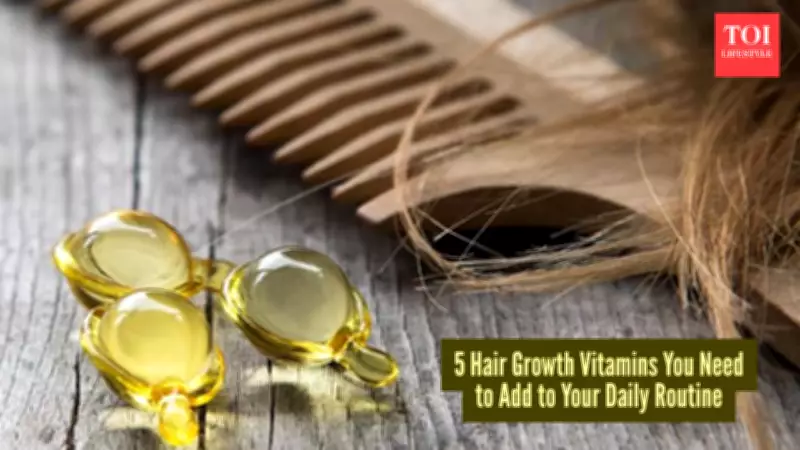
Healthy, lustrous hair is often considered a hallmark of beauty and overall well-being, functioning as a vital organ that requires proper nourishment. Just like other parts of the body, hair depends on a range of nutrients to grow, remain long, and stay strong. While a balanced diet is fundamental, optimal nutrient absorption sometimes necessitates additional support. Fortunately, specific vitamin supplements available in the market can be incorporated into daily routines to naturally enhance the hair growth process. Here, we explore five daily vitamins that are essential for achieving and maintaining long, robust locks.
Vitamin C: The Antioxidant Powerhouse
Vitamin C stands out as a potent antioxidant that shields the body from oxidative stress, particularly combating free radicals that can impede hair growth. This vitamin plays a critical role in collagen production, a key component of hair structure, ensuring strands remain resilient. Additionally, Vitamin C facilitates iron absorption, another mineral vital for healthy hair development. To boost your intake, consider incorporating bell peppers, guavas, strawberries, and various citrus fruits into your diet, as these are excellent natural sources that can enhance the hair growth process effectively.
Vitamin E: Enhancing Scalp Circulation
Vitamin E serves as another powerful antioxidant, working to prevent oxidative stress that often leads to follicle breakdown. By improving blood circulation in the scalp, it delivers more oxygen to hair follicles, promoting active growth. Acting as a natural moisturizer, Vitamin E also protects hair from environmental damage and reduces hair fall, while keeping the scalp hydrated and healthy. This dual action makes it an indispensable nutrient for maintaining vibrant hair.

Vitamin D: Follicle Regeneration
Research indicates that a deficiency in Vitamin D can contribute to hair loss, as this vitamin is essential for creating new hair follicles, which in turn stimulates active hair growth. The body can synthesize Vitamin D through direct sunlight exposure, but dietary sources like cod liver oil, certain mushrooms, and fatty fish are also beneficial. For those with limited sun exposure or dietary restrictions, Vitamin D supplements offer a convenient alternative to support hair health.
Vitamin A: Sebum Production and Scalp Health
Vitamin A is crucial for all cells in the body, including hair, which is one of the fastest-growing tissues. It aids skin glands in producing sebum, a natural oil that moisturizes the scalp and maintains its health. Foods rich in beta-carotene, such as pumpkins, spinach, sweet potatoes, and kale, are excellent precursors to Vitamin A. Additionally, dairy products, eggs, cod liver oil, and supplements can help ensure adequate levels of this vitamin for optimal hair care.
Iron: Oxygen Transport for Hair Growth
Iron plays a fundamental role in enabling red blood cells to transport oxygen to cells throughout the body, making it vital for various bodily functions, including hair growth. Iron deficiency often leads to anemia, a common condition among women that is a significant cause of hair loss. To combat this, incorporate iron-rich foods like eggs, red meat, spinach, and lentils into your diet. If dietary intake is insufficient, iron supplements can provide the necessary boost to support healthy hair.
Disclaimer: Before starting any new supplement regimen, it is essential to consult with a healthcare professional. What works for one person may not be safe or suitable for another. This information is for educational purposes and does not endorse the use of over-the-counter supplements without medical advice.