When we think about breathing, lungs and noses typically come to mind. However, in the animal world, things are slightly unusual. A handful of creatures do not bother with lungs; instead, they breathe right through their skin. For the unversed, it is called cutaneous respiration, and it lets them absorb oxygen straight through their body walls while getting rid of carbon dioxide the same way. No lungs, no gills. It sounds strange, but for these animals, it is just daily life.
For skin breathing to work, the skin has to be thin, moist, and loaded with tiny blood vessels near the surface. Oxygen dissolves in the moisture, then slides into the blood underneath. Dry skin? Game over. This is why these animals mostly stick to damp places or underground. Small body size helps, too; more skin per ounce means more oxygen squeezed in.
Here, we jot down five animals that breathe through their skin and how they pull it off.

Earthworms
Earthworms are the poster kids for skin breathing. No lungs, no gills — just skin as the breathing organ. They keep it moist with mucus they make naturally. Oxygen dissolves in the slime and slips through a thin layer into a web of blood vessels. Carbon dioxide goes out the same way. That is why earthworms mostly hang out in damp dirt and pop up after rain. Dry out, and they suffocate. Basically, their skin does everything your lungs do.
Frogs
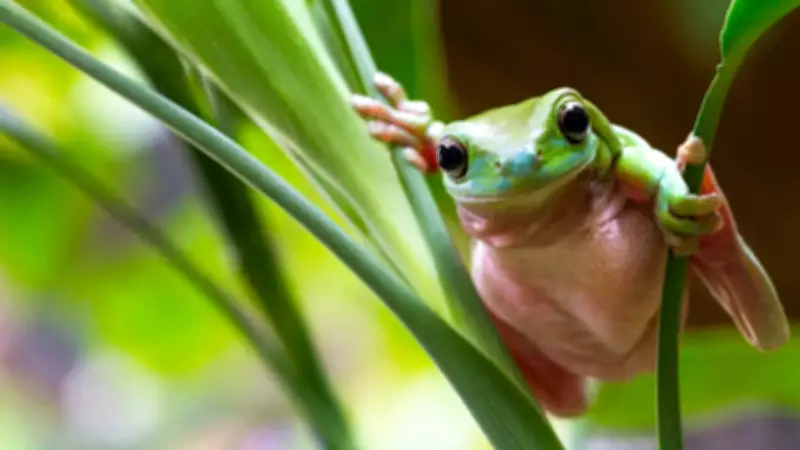
Frogs are neat because they split the difference. Sometimes they use their lungs, sometimes their skin, depending on where they are. Frogs’ skin is thin, porous, and covered in mucus glands to keep things moist. Blood vessels just under the surface grab oxygen from water or air. So frogs can chill underwater for ages, even when their lungs are not working. Some can hibernate submerged, sipping oxygen through their skin. There is even a special drinking patch for water absorption. However, this makes them super sensitive to dry weather and pollution, as skin is both their shield and their weakness.
Salamanders
Some salamanders, especially lungless ones in the Plethodontidae family, skip lungs entirely. They are tiny, they stay damp, and their metabolism is low enough for skin breathing to do the trick. Oxygen passes through their skin and mouth lining straight into the blood vessels. Their bodies stay light and simple with no lungs to carry. Usually found in cool, humid forests, they prove lungs are optional.
Caecilians
Caecilians are lesser-known amphibians that look like worms or snakes but are not. They live underground in wet tropical soil, perfect for skin breathing. Their skin is soft, moist, and packed with blood vessels near the surface, so oxygen can slip in easily while they burrow. Spending most of their lives underground means relying on skin breathing to help them survive where oxygen is scarce. They are not well-known but are quietly amazing.
Sea Snakes
Most people would not expect snakes on this list, but some sea snakes do skin-breathing, too. They still have lungs, but scientists found these snakes can absorb oxygen straight through their skin, especially around the body and head, helping them stay underwater longer. Since sea snakes live in water nearly full-time, this backup system keeps them hunting longer before they need to take a gulp at the surface. It is not their main way of breathing, but it is a clever evolutionary bonus.
Why Can't Humans Do Skin-Breathing?
Animals that breathe through their skin remind us that nature has got loads of tricks up its sleeve. Sometimes, it is the lungs. Sometimes, gills. Sometimes, just staying moist enough for oxygen to slip through. However, for humans, it gets trickier.
Technically, we do absorb teeny bits of oxygen through our skin, but it is not enough to survive. Our skin is too thick, too dry, and our oxygen needs are way higher than what diffusion could manage. We rely on our lungs because our metabolism is fast and our bodies are big compared to our skin area. So there is no shortcut whatsoever.