As the calendar turns to 2026, it presents a perfect opportunity for individuals across India to prioritize their well-being, with a special focus on cardiovascular health. Renowned nutrition expert Jayashree Bafna emphasizes that understanding and managing cholesterol is a cornerstone of this journey. She provides a clear breakdown of the crucial lipid profile and shares practical nutritional strategies to achieve a healthy balance.
Decoding Your Lipid Profile: The Heart's Health Report Card
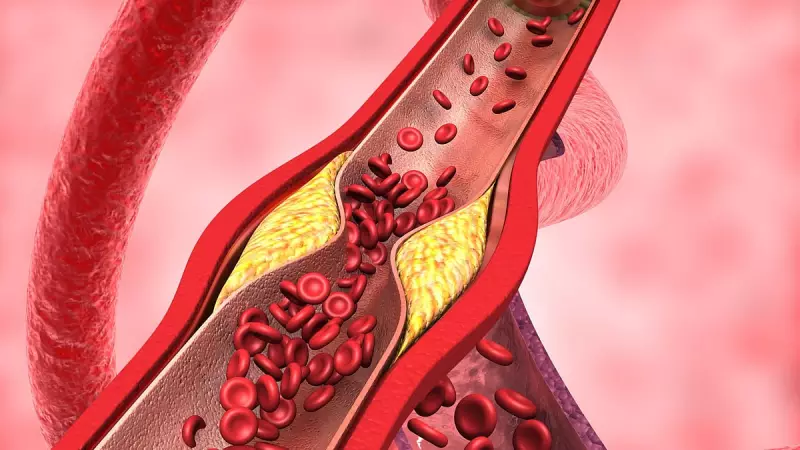
Jayashree Bafna simplifies the often-confusing terms found in a lipid profile test, which is essentially a report card for heart health. The key components, she explains, are HDL (High-Density Lipoprotein), LDL (Low-Density Lipoprotein), and triglycerides. HDL is commonly known as the "good" cholesterol because it helps remove other forms of cholesterol from your bloodstream. Conversely, LDL is labeled the "bad" cholesterol, as high levels can lead to plaque buildup in arteries. Triglycerides are a type of fat in the blood; elevated levels, combined with high LDL or low HDL, can significantly increase the risk of heart disease.
Nutritional Strategies for a Balanced Lipid Profile
Bafna offers targeted dietary advice to help manage these levels effectively. To boost beneficial HDL cholesterol, she recommends incorporating healthy fats found in foods like nuts, seeds, olive oil, and fatty fish such as salmon. Regular physical activity is also a powerful booster for HDL levels.
For controlling LDL cholesterol, the expert advises minimizing the intake of trans fats and saturated fats, often present in processed foods, fried items, and certain baked goods. Increasing soluble fiber is crucial—oats, barley, legumes, apples, and carrots can help reduce the absorption of cholesterol into the bloodstream.
Managing triglycerides involves cutting back on refined carbohydrates and added sugars. This means limiting sugary drinks, white bread, and sweets. Replacing them with whole grains, lean proteins, and increasing overall physical activity can lead to a marked improvement.
Making Heart-Healthy Choices a Lifelong Habit
Jayashree Bafna concludes that the start of a new year is an ideal moment for commitment, but the real benefits come from making these nutritional adjustments a consistent part of one's lifestyle. Regular monitoring through check-ups, staying hydrated, and maintaining a healthy weight are all integral to long-term heart health. By understanding the facts behind the numbers on a lipid report and taking informed dietary steps, individuals can proactively work towards saying goodbye to bad cholesterol and welcoming a healthier, more vibrant 2026 and beyond.