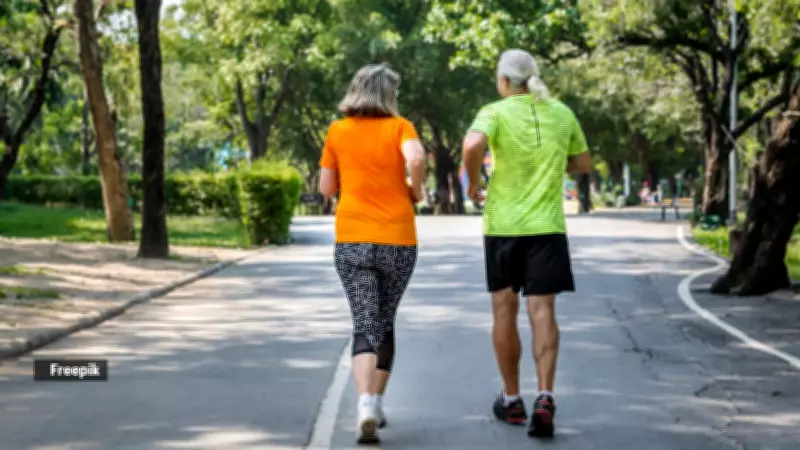
The 20-Minute Magic: Why This Daily Walk Duration Is Key to Healthy Aging
Walking remains one of the safest, most effective, and most accessible forms of exercise for senior citizens, offering a powerful pathway to maintaining health, mobility, and independence well into the golden years. However, the key lies not just in walking, but in walking wisely—with care, consistency, and an understanding of what constitutes an ideal routine. To uncover the optimal approach, we consulted Dr Prabhat Ranjan Sinha, Senior Consultant in Internal Medicine at Aakash Healthcare, who sheds light on why gentle, steady walking is paramount as we age.
What Is the Ideal Daily Walking Routine for Seniors?
For older adults, the mantra "more is better" does not always apply. "Gentle but regular walking does far more good for elderly people than anything very intense or prolonged," emphasizes Dr Sinha. He reveals that a daily walk of about 20 to 30 minutes can yield significant benefits, including improved mobility, enhanced balance, and better heart health, all while lowering the risk of falls. Crucially, Dr Sinha stresses that pace matters more than distance. Walking slowly, taking breaks as needed, and even walking with a companion can transform this habit into a safer and more enjoyable activity.
"Walking is truly the key to longevity," Dr Sinha adds. "It doesn't really matter how far you walk. What matters most is that you walk frequently and at a pace that feels comfortable for your age and body." This personalized approach ensures that seniors can reap the rewards without overexertion.

How Walking Goals Should Vary with Age and Health
There is no one-size-fits-all walking target for seniors, and that's by design. "Walking goals for seniors must always be personalized," explains Dr Sinha. "They should focus on safety, comfort, and a gradual increase in duration or distance. A single step-count goal does not work for everyone." While general health guidelines recommend around 150 minutes of moderate exercise per week, Dr Sinha points out that this should be adapted based on individual factors such as age, existing medical conditions, and mobility levels.
"A senior with joint issues, heart disease, or balance problems will have very different needs compared to someone who is otherwise fit," he says. "The goal should be consistency, not comparison." This tailored approach helps ensure that walking remains a sustainable and beneficial practice for all seniors, regardless of their health status.
Why Walking Is Especially Beneficial for Older Adults
Walking offers a wide range of physical and mental health benefits, making it an ideal exercise for seniors. As a weight-bearing activity, it strengthens bones and muscles by carrying one's own body weight. Dr Sinha highlights that walking lowers the risk of heart disease and stroke by improving heart and lung fitness, and it also helps manage conditions like diabetes, high blood pressure, and high cholesterol. Additionally, regular walking can:
- Ease joint stiffness and muscle pain
- Improve balance and muscular stamina
- Reduce body fat
- Support mental well-being by lowering stress and improving mood
These benefits collectively contribute to a higher quality of life and enhanced longevity for senior citizens.
Precautions to Keep Walking Safe and Sustainable
Despite its simplicity, walking must be done correctly to avoid injuries, especially for seniors. "Incorrect footwear or poor walking technique can lead to blisters, soft tissue injuries, or foot and shin pain," warns Dr Sinha. He recommends choosing comfortable shoes with proper arch and heel support to minimize risks. Technique and surface selection are equally important.
"Take light, simple steps, ensuring the heel touches the ground before the toes," he advises. "Whenever possible, walk on grass or softer surfaces instead of hard concrete to reduce joint impact." By following these precautions, seniors can ensure that their walking routine remains safe, effective, and sustainable over the long term.

Disclaimer: This article is based on information from the public domain and expert insights. Always consult your health practitioner before starting any new exercise routine.