

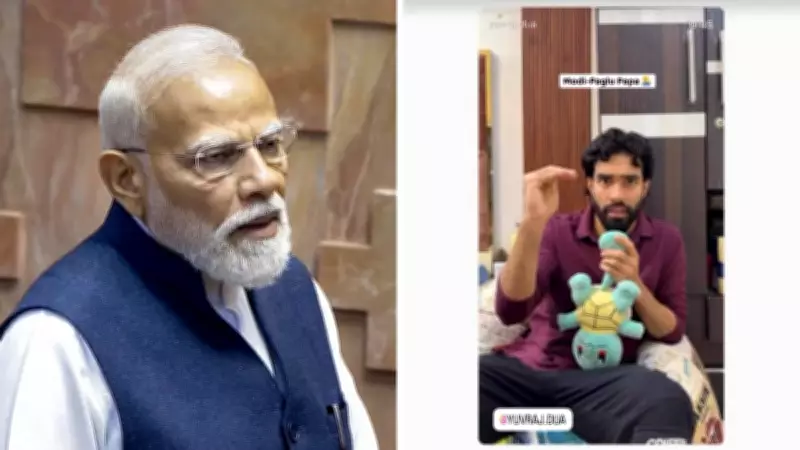
Yuvraj Dua Appeals to Prime Minister Narendra Modi to Limit Sugar Consumption for Better Health
In a notable public health advocacy move, former Indian cricketer Yuvraj Dua has made a direct appeal to Prime Minister Narendra Modi, urging him to reduce his sugar intake. This request, made on March 20, 2026, aims to spotlight the severe health risks associated with excessive sugar consumption and to inspire a broader national conversation on dietary habits.
Background and Motivation Behind the Appeal
Yuvraj Dua, renowned for his cricketing career and subsequent health advocacy, has been vocal about lifestyle diseases, particularly after his own health battles. His appeal to PM Modi stems from a deep concern over the rising prevalence of diabetes and obesity in India, conditions often linked to high sugar diets. Dua emphasized that as a public figure, Modi's actions could significantly influence public behavior and awareness.
The timing of this request coincides with increasing global and national focus on non-communicable diseases. India has seen a surge in diabetes cases, with millions affected, making dietary interventions a critical public health priority. Dua's move is seen as an effort to leverage Modi's influential position to promote healthier eating habits across the country.

Health Implications of High Sugar Intake
Excessive sugar consumption is a major contributor to various health issues, including:
- Diabetes: High sugar levels can lead to insulin resistance, increasing the risk of type 2 diabetes.
- Obesity: Sugary foods and drinks are calorie-dense, promoting weight gain and related complications.
- Heart Disease: Studies link high sugar intake to elevated blood pressure and cholesterol levels.
- Dental Problems: Sugar is a primary cause of tooth decay and oral health issues.
Dua highlighted these risks in his appeal, noting that reducing sugar intake could help prevent such conditions and improve overall public health outcomes. He referenced data from health organizations showing that Indians consume above recommended sugar levels, exacerbating health burdens.
Potential Impact on Public Health Policy
This appeal could catalyze discussions on public health policies related to nutrition. If PM Modi responds positively, it might lead to:
- Increased government campaigns promoting reduced sugar consumption.
- Stricter regulations on sugar content in processed foods and beverages.
- Enhanced public awareness programs in schools and communities.
- Collaborations with health experts to develop national dietary guidelines.
Dua's request aligns with global health trends, where many countries are implementing sugar taxes and labeling requirements to combat lifestyle diseases. In India, such initiatives could complement existing schemes like the National Health Mission and Ayushman Bharat.
Reactions and Broader Context
The appeal has garnered mixed reactions from the public and health experts. Some praise Dua for using his platform to address a critical health issue, while others view it as a personal matter. However, most agree that it raises important questions about leadership and health advocacy.
This incident underscores the growing role of celebrities in public health discourse. Similar efforts by other figures have previously influenced policy changes, such as anti-tobacco campaigns. Dua's focus on sugar intake reflects a shift towards addressing dietary factors in disease prevention, moving beyond traditional health concerns.
In conclusion, Yuvraj Dua's appeal to Prime Minister Narendra Modi represents a significant step in highlighting the dangers of high sugar consumption. By targeting a high-profile leader, Dua aims to spark a nationwide movement towards healthier eating habits, potentially reducing the burden of diabetes and other sugar-related diseases in India.






