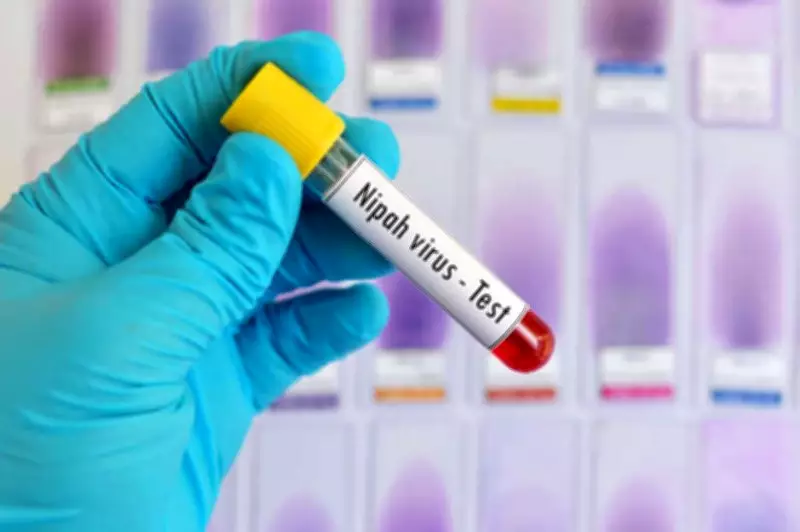
The World Health Organization (WHO) has provided a reassuring assessment regarding the Nipah virus situation in India, stating that the risk of widespread transmission remains low. This comes as health authorities maintain vigilant monitoring and containment efforts.
Current Risk Assessment and Monitoring
According to the latest evaluation from WHO, there are no signs indicating that the Nipah virus is spreading extensively across India. The organization has classified the current risk level as low, which should alleviate some public concerns while emphasizing the importance of continued caution.
Health Authority Response and Preparedness
Indian health authorities have been actively implementing containment measures in affected regions, focusing on contact tracing, isolation protocols, and public awareness campaigns. The coordinated response between national and state health departments has been crucial in managing potential outbreaks.

Key aspects of India's Nipah virus management strategy include:
- Enhanced surveillance systems in high-risk areas
- Rapid response teams ready for deployment
- Public education about transmission prevention
- Healthcare facility preparedness for potential cases
Understanding Nipah Virus Transmission
The Nipah virus, which can be transmitted from animals to humans and through human-to-human contact, requires specific conditions for widespread transmission. WHO's assessment suggests these conditions are not currently present in India to facilitate significant spread.
Health experts emphasize that while the risk is currently low, continued vigilance remains essential. The virus has caused outbreaks in the past, particularly in Kerala, making ongoing monitoring critical for early detection and response.
Global Context and India's Position
WHO's statement places India's situation within the broader global context of zoonotic disease management. The organization's assessment reflects both India's improved disease surveillance capabilities and the current epidemiological evidence regarding Nipah virus activity in the country.
The low-risk designation does not mean complacency is warranted. Rather, it indicates that existing public health measures appear sufficient to contain the virus under current circumstances, with authorities prepared to escalate responses if the situation changes.