

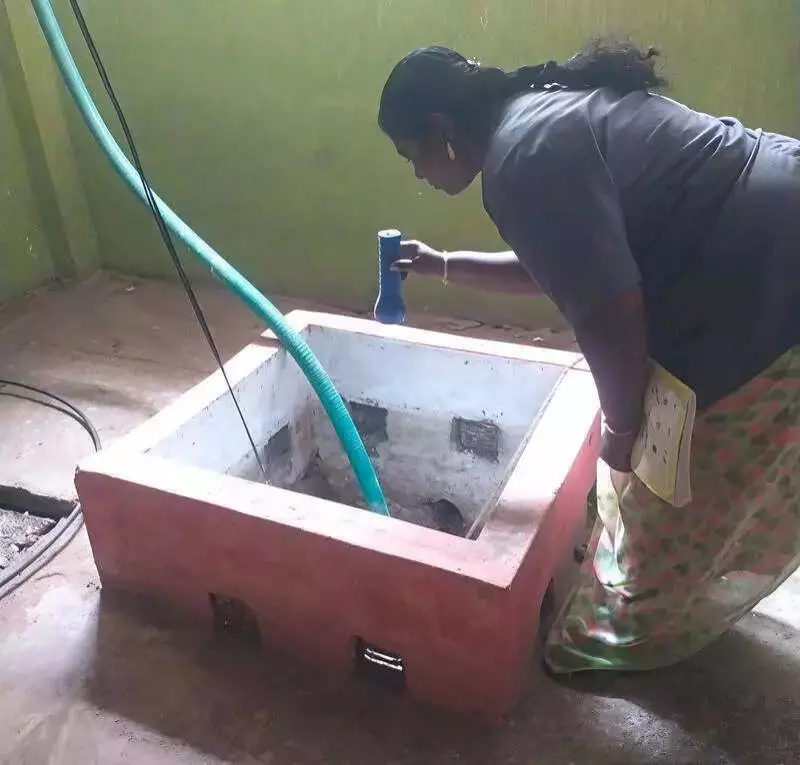
In Trichy, the crucial work of preventing dengue and other mosquito-borne diseases is hitting an unexpected roadblock. Domestic Breeding Checkers (DBCs), deployed by the city corporation, are increasingly being turned away by residents because they lack valid official identification cards.
Field Inspections Grind to a Halt
Hired through outsourcing agencies, these DBC workers are tasked with a vital public health mission. Their job involves inspecting both residential and commercial properties across the city to find and eliminate potential mosquito breeding sites. This includes checking for stagnant water in flower pots, discarded containers, and even refrigerator defrost trays.
However, several workers report a growing trend of residents refusing them entry. "Without valid IDs, people refuse to let us inspect their houses or even ask questions," one DBC worker explained. The problem is widespread: some workers carry expired identity cards, while others have no identification at all.

Contractual Status Creates Logistical Hurdle
The core of the issue appears to be the workers' employment terms. As contractual and seasonal staff hired via manpower agencies, they are often not issued formal ID cards by their employers. This forces them to abandon inspections at numerous properties, including homes with backyards that are prime locations for mosquito breeding.
The scale of the operation is significant. The Trichy Corporation has deployed around 50–60 DBCs in each of its zones, totaling nearly 300 workers city-wide. Their work becomes especially intense during the northeast monsoon season, when they also conduct fever surveillance in vulnerable areas identified by urban primary health centres (UPHCs).
Official Assurance and Positive Health Trend
When confronted with the problem, a senior corporation official acknowledged the issue and promised a resolution. "We will insist that manpower agencies issue ID cards to DBCs, while also ensuring safeguards against misuse. The matter will be resolved," the official stated.
In a positive development, the official noted a sharp decline in daily fever cases, from 10–12 per UPHC in November to just about two cases per day in December. The corporation continues to enforce penalties for properties found with mosquito breeding sources, ranging from ₹200 to ₹2,000 for households and up to ₹50,000 for commercial establishments.






