

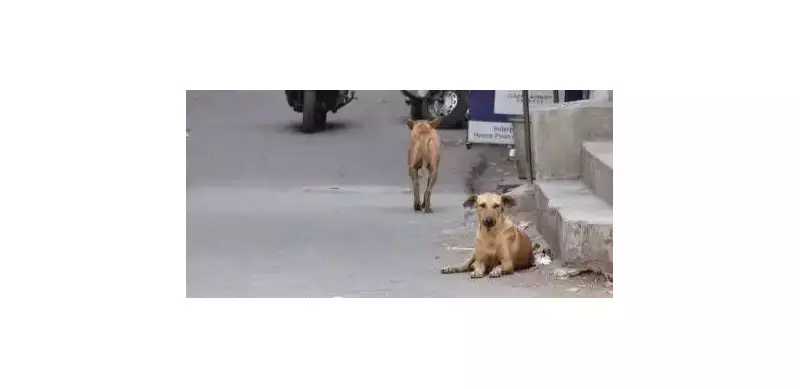
The Thane Municipal Corporation (TMC) has rolled out a comprehensive and scientific strategy to address the city's growing stray dog population. This multi-pronged initiative focuses on humane management through infrastructure, medical intervention, and public awareness.
Core Components of the New Initiative
Municipal Commissioner Saurabh Rao detailed the plan, which hinges on several key actions. A significant part involves constructing dedicated kennels and shelters. The TMC will partner with five authorised agencies to set up these facilities. These shelters are specifically intended to house stray dogs captured from sensitive public areas, including schools, hospitals, sports complexes, bus depots, and railway stations.
Expanding the Capture-Sterilise-Vaccinate-Release Programme
Alongside creating shelters, the corporation is intensifying its ongoing Animal Birth Control (ABC) programme. This effort will be rigorously aligned with the Animal Birth Control (Dogs) Rules, 2023. The process involves capturing stray dogs, surgically sterilising them, vaccinating them against diseases like rabies, and then releasing them back to their original territories. This method is widely recognized as the most effective and humane long-term solution for population management and public health safety.

Driving Change Through Public Awareness
Recognising that public cooperation is vital, the TMC will launch extensive citywide awareness campaigns. These campaigns aim to educate residents about the importance of the ABC programme, discourage the feeding of strays in unauthorised zones, and promote responsible pet ownership. The goal is to foster a community environment that supports the scientific management of stray animals.
The announcement signals a structured shift from reactive responses to a proactive, rules-based approach for managing human-stray animal coexistence in Thane. The success of this initiative will depend on consistent implementation and active citizen participation.






