What Our Teeth Reveal About the Growing Gap Between Rich and Poor
From the concept of "poor teeth" to the polished smiles of the affluent, dental health has emerged as a stark and visible marker of inequality, shame, and structural neglect in modern society. Teeth are among the most prominent indicators of poverty—structural circumstances that are often unfairly borne by individuals as personal failings.
The Stigma and Structural Barriers of Poor Teeth
In an essay for Aeon, U.S. journalist Sarah Smarsh coined the term "poor teeth" to describe this phenomenon. She argues that bad teeth are frequently blamed solely on personal habits and choices, creating undue shame for those living in poverty. However, poor teeth do more than generate stigma; they actively compound disadvantage. People with visibly damaged teeth face significant barriers to employment and opportunity, perpetuating cycles of poverty.
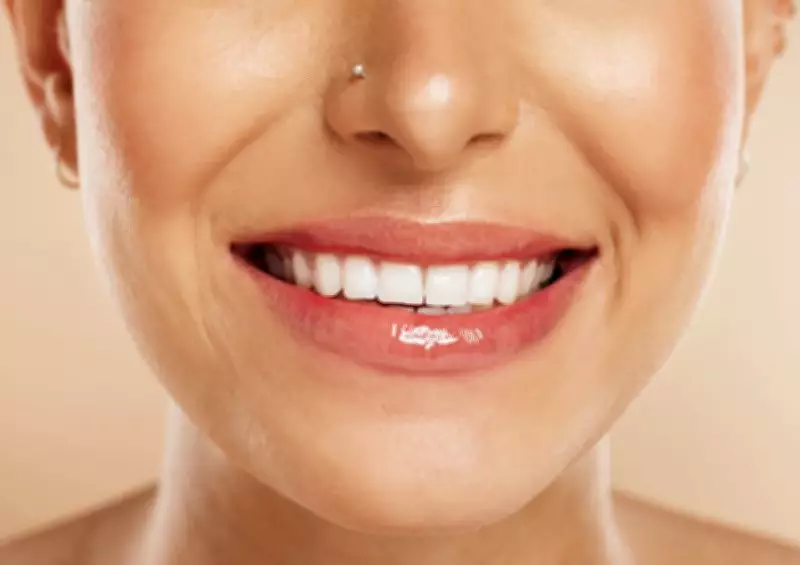
In an era dominated by whitened, straightened, and veneered smiles, the gulf between the ruined teeth associated with poverty and the healthy teeth of the wealthy continues to widen alarmingly. This disparity is not merely cosmetic but reflects deep-seated systemic issues in healthcare access and funding.

Australia's Dental Care Crisis and Policy Responses
When Medicare's predecessor was designed in the 1970s, dental care was notably excluded, setting the stage for ongoing challenges. Since 2014, Australia's Child Dental Benefits Schedule has enabled children up to 17 years old to access free dental care at most private clinics, provided they are eligible for Medicare and part of a family receiving certain government payments. Despite this, gaps persist.
"Dental into Medicare" became a key Greens policy during the 2025 federal election, sharpening public attention on dental inequality. However, Grattan Institute researchers reported in late 2024 that more than two million Australians avoid dental care due to cost, and over four in ten adults wait more than a year before seeing a dental professional.
Peter Breadon, the institute's health program director, describes Australia's public dental system as both "underfunded" and "overwhelmed." In July 2025, the ABC reported that about one-third of Australians are eligible for free or low-cost public dental services. Although these services receive some Commonwealth funding, they are delivered by state and territory governments, leading to inconsistent access. ABC data showed that while average wait times vary, some patients wait years for essential care.
Escalating Consequences and International Parallels
Untreated dental problems can escalate into severe medical emergencies requiring hospitalization or even result in fatalities. The consequences of dental neglect intersect harshly with stringent welfare regimes. In the United Kingdom, a rigorous "work capability assessment" limits access to disability benefits, similar to Australia's own assessment system. A book memorialising victims of the UK system recounts the tragic death of a 57-year-old man found alone in his flat. In his cupboard, relatives discovered a shoebox lid containing two large molars and a pair of pliers—a grim testament to desperate self-care measures.
Personal Narratives and the Voice of Lived Experience
Published in 2014, Linda Tirado's Hand to Mouth documents life in poverty in the United States, highlighting unstable, low-wage work; hidden costs like late fees; coping strategies; moments of pleasure; and the central role of teeth. The title captures both the precarity of day-to-day survival and the shame that leads people to cover damaged teeth with a hand over the mouth.
The book originated as a viral online response to the question: "Why do poor people do things that seem so self-destructive?" Tirado's reply resonated widely, leading to a book deal. Barbara Ehrenreich, in a generous foreword, positioned Tirado's account as an authentic counterpoint to her own work, Nickel and Dimed. Ehrenreich wrote, "But let me get out of the way now. She can tell this story better than I can," acknowledging the power of firsthand experience.

This principle underpins the 2024 Australian collection Povo, featuring writers who found their voices through workshops run by the Sweatshop Literacy Movement in Western Sydney. The contributors write from lived experience, and teeth emerge as a powerful motif throughout. In one striking piece, Victor Guan Yi Zhou recounts acquiring tooth gems—four Swarovski crystals—soon after being kicked out by his parents. He writes that the gems help him "manifest" his dreams, reframing adornment as an act of resilience and self-expression.
Protest and the Reality of Welfare Struggles
Ahead of the 2023 federal budget, a protest at Prime Minister Anthony Albanese's electoral office, organised by the Australian Unemployed Workers' Union, highlighted ongoing struggles. Speakers on JobSeeker and the Disability Support Pension described the difficulty of surviving on inadequate payments and the fading hope once attached to Albanese's election promises.
Despite modest increases, JobSeeker payments remain below the poverty line. Researchers now describe recipients as more likely to be older women living with chronic illness or disability—far removed from the "dole bludger" stereotypes of earlier decades. At the protest, a woman in her late fifties or early sixties, who spends two days a week kneeling in bushland pulling weeds to meet her "mutual obligations," held a hand-painted sign reading "welfare not warfare." In a photograph, her mouth is tightly closed, revealing chipped teeth—a silent but powerful illustration of the personal toll of systemic neglect.
In conclusion, dental health serves as a critical lens through which to view the growing gap between rich and poor. It exposes not only individual suffering but also broader failures in healthcare policy, welfare systems, and social equity. Addressing this issue requires concerted efforts to integrate dental care into public health frameworks and challenge the stigma that perpetuates inequality.