A devastating incident in Punjab's Tarn Taran district has claimed the lives of three members of a single family, highlighting the fatal dangers of using indoor fires for warmth during the cold winter nights.
The Alipur Village Tragedy
In a heartbreaking turn of events, three residents of Alipur village in Tarn Taran district lost their lives to suffocation on Saturday night. The victims have been identified as Arshdeep Singh, his wife Jashandeep Kaur, and their two-month-old infant, Gurbaz Singh. According to local police authorities, the family had lit a fire inside their house before going to sleep, a common practice to combat the severe cold.
Discovery and Critical Condition of Second Child
The grim discovery was made by neighbours on Sunday morning. Upon finding the family unresponsive, they alerted the authorities. While the couple and their newborn were pronounced dead, a second child, aged 10, was found alive but in critical condition. The child was immediately rushed to Guru Nanak Dev Hospital in Amritsar, where their condition remains reported as critical.

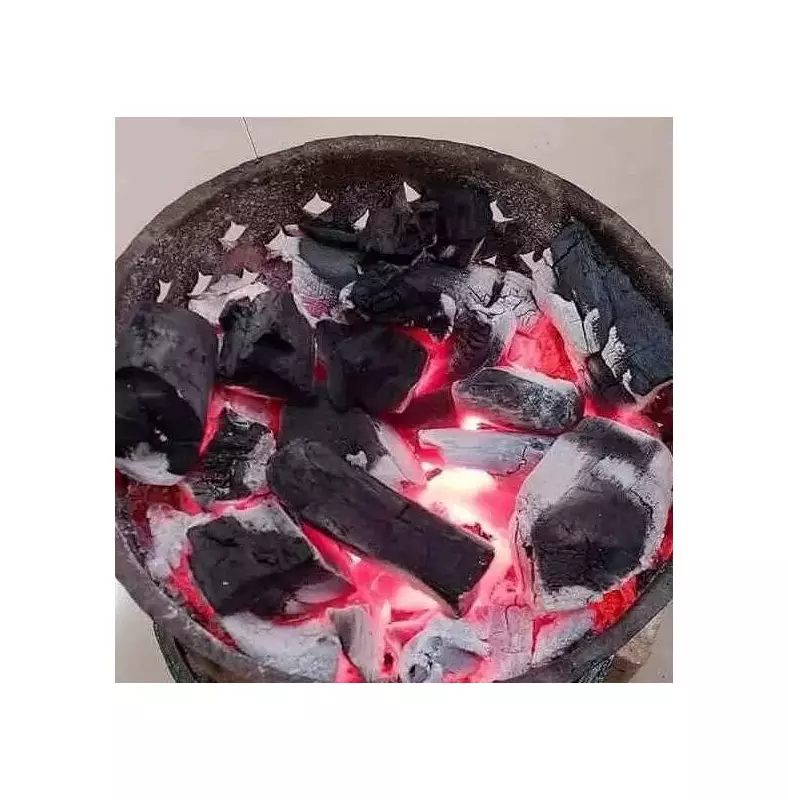
Police investigations point towards suffocation caused by the lack of proper ventilation as the primary reason for the deaths. The fire, lit with wood or other combustible materials, likely consumed the available oxygen in the enclosed space and produced deadly carbon monoxide gas.
A Disturbing Pattern in the Region
This tragedy is not an isolated case. Shockingly, it follows a similar incident that occurred just a couple of days prior in the Jandial Road area of Amritsar. In that event, a couple also died from suffocation under nearly identical circumstances, having burnt wood inside their bedroom for warmth.
These back-to-back incidents underscore a severe public safety issue, especially in rural and semi-urban areas of North India during the winter months. Common but perilous practices include:
- Lighting wood or coal fires (chulha/angithi) in closed rooms.
- Using makeshift heaters without adequate ventilation.
- Sleeping in rooms where such heating methods are active.
The repeated occurrence of such preventable deaths calls for urgent awareness campaigns on the risks of carbon monoxide poisoning and the critical importance of ensuring airflow when using any form of combustion for heating. Local authorities are expected to issue fresh advisories to prevent further loss of life as temperatures continue to drop.