Even as neighbouring Andhra Pradesh grapples with a significant spike in scrub typhus infections, health authorities in Telangana have stated there is no immediate cause for alarm within the state. Andhra has reported at least 11 deaths and over 1,600 infections from the bacterial disease in the past month alone.
What is Scrub Typhus and Who is at Risk?
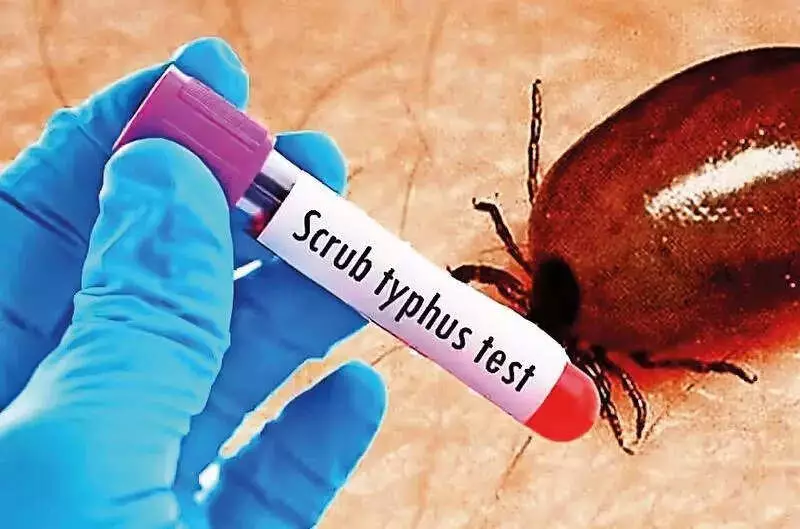
Scrub typhus is a bacterial infection transmitted through the bite of infected larval mites, commonly known as chiggers. These mites thrive in areas with overgrown vegetation, agricultural fields, and grasslands. The bite itself is often painless and can go unnoticed, making early detection challenging.
In Andhra Pradesh, a majority of the reported cases have been among individuals from agricultural backgrounds. Health experts confirm that the risk is markedly higher for people who spend extended periods in farms, fields, gardens, or forested areas where these mites are prevalent.

Dr. Rajendra Prasad, superintendent of the Fever Hospital in Hyderabad, noted that cases in Telangana are currently sporadic. "People residing near agricultural fields or in farmhouses are more vulnerable. There is also a discernible risk while working or playing in gardens and forest areas," he explained.
Telangana's Preparedness and Official Stance
Despite Telangana being considered an endemic region for scrub typhus, with cases reported annually, senior health officials have not observed an unusual surge. Director of Public Health Ravinder Naik clarified that no specific advisory has been issued by the central government yet.
"Government area hospitals, primary health centres, staff, and other health facilities have been kept on alert, with routine preparedness for fever cases," Naik stated. He emphasized that scrub typhus is not a communicable disease spread from person to person.
However, he advised heightened caution for vulnerable groups. "Pregnant women, children, and older people should be more cautious and take basic precautions, especially as outdoor activities and holiday travel increase during December," he added. Experts also pointed out that families travelling to farms, resorts, and gardens during the winter break may face elevated exposure risks.
Symptoms, Treatment, and the Danger of Misdiagnosis
Doctors have cautioned that scrub typhus is frequently misdiagnosed because its initial symptoms—such as fever, headache, and body aches—closely resemble those of other common infections. This similarity leads to it being grouped under Acute Undifferentiated Fever (AUF), a category for fevers that are difficult to pinpoint initially.
Rickettsial diseases like scrub typhus are common culprits behind AUF, causing symptoms that can include fever, headache, rash, and fatigue. The infection is transmitted by vectors like ticks, mites, and fleas.
Fortunately, health experts stress that scrub typhus is treatable. "It can be effectively treated with antibiotics such as doxycycline and azithromycin. Children are usually treated with azithromycin, while adults and severe cases require doxycycline for 7 to 10 days," said a senior doctor from Niloufer Hospital.
The critical warning from medical professionals is against delays in seeking care. "Scrub typhus presents like any other high-grade fever with chills and rigors and may progress to serious complications involving the liver or brain. In rare instances, it can also lead to death," the doctor added. Individuals experiencing persistent fever, rash, itching, or a small sore at the site of a bite after outdoor travel are advised to seek immediate medical attention.