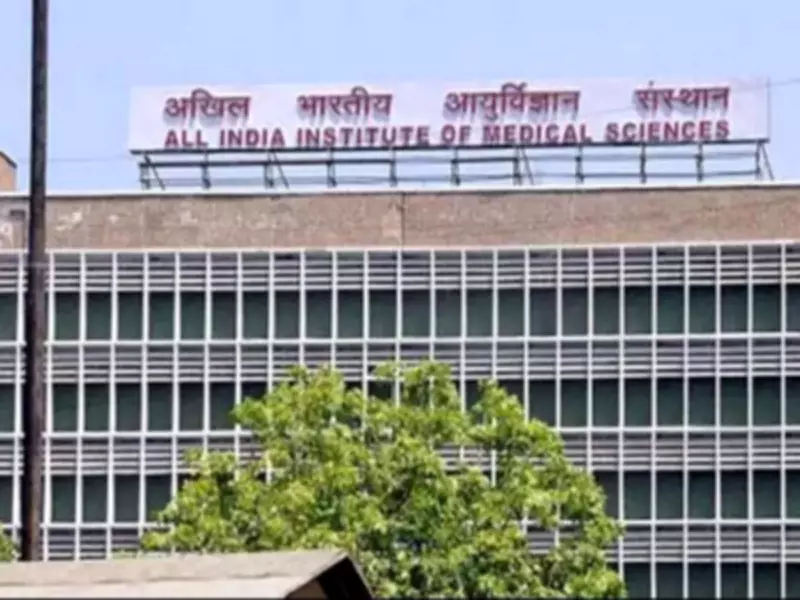
The Supreme Court has intervened to examine how brain death is certified in India, seeking an expert committee from AIIMS to evaluate whether additional tests such as electroencephalogram (EEG) and angiogram are necessary. However, medical experts suggest these tests may not be required, as existing protocols already incorporate sufficient checks and balances.
Court's Directive and Petition Allegations
A two-judge bench of the Supreme Court, hearing a petition alleging malpractices in brain death certification, stated that it would seek expert opinion from AIIMS on the safety and viability of such tests. The court directed the head of AIIMS's neurology department to constitute a committee, which, according to sources, has yet to be formed.
The plea, filed by Kerala-based medical professional and activist S Ganapathy, alleged that patients who may not be brain dead are sometimes declared as such to facilitate organ donation. It also questioned the reliability of the apnea test—the standard method used to confirm brain death—calling it subjective and claiming that the legal requirement of videographing the procedure is often not followed.

Existing Legal Framework and Expert Opinions
Under the current legal framework, brain death certification follows a strictly defined protocol. Dr. Manjari Tripathi, head of neurology at AIIMS, explained that the process is governed by Form 10 under the Transplantation of Human Organs and Tissues Act, 1994. Brain stem death must be certified by a panel of four independent doctors, including a neurologist or neurosurgeon, and confirmed twice with a minimum gap of six hours. She emphasized that the process is carried out with due diligence and seriousness.
Experts argue that additional tests could burden the system. EEG is not routinely recommended for brainstem death certification, while angiogram is used only in select cases where the apnea test cannot be performed. Globally, the apnea test remains the gold standard. These criteria are clearly laid down and cannot be altered, said experts.
Understanding Brain Death
Brain death is the irreversible loss of all brain function, including the brainstem. While the heart may continue to beat on life support, the person cannot breathe or regain consciousness and is medically considered dead, unlike in a coma where some brain activity remains.
Organ Donation Gap in India
The court's move comes amid a persistent gap between potential and actual organ donation. Despite a large pool of potential donors, only about 1,100 deceased donations take place annually in India, or 0.77 per million population.
A recent multi-institutional study, including researchers from AIIMS Delhi and Dr. Deepak Gupta, found that fewer than half of doctors had formal training in brain death certification. The study flagged inconsistencies in clinical practice, leading to under-recognition of eligible cases. These gaps often result in silent brain deaths, where patients meet criteria but are not formally declared, eliminating the possibility of organ donation.