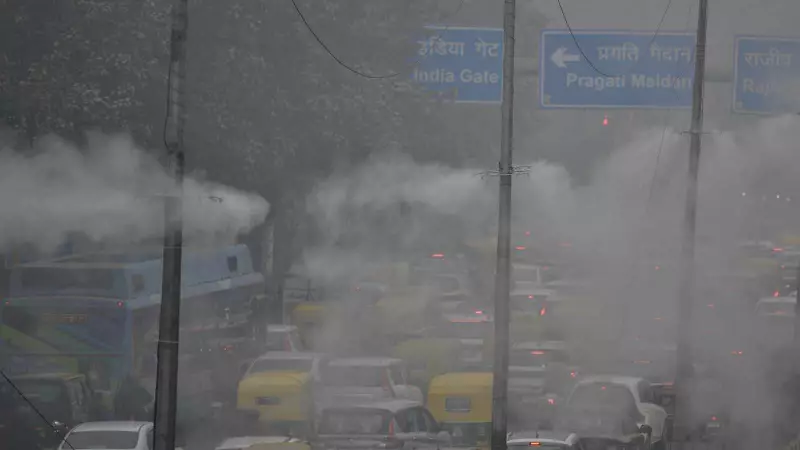
In a decisive move to combat the severe dust pollution plaguing his constituency, Rohini MLA and Delhi Assembly Speaker Vijender Gupta on Saturday announced a series of coordinated measures. This includes the formation of a dedicated Rohini Dust Action Cell and mandatory weekly joint inspections by multiple civic agencies.
Spotlight on Rohini's Dust Crisis After Exposé
The action comes in direct response to a report published by The Indian Express on December 19. The report highlighted that North West Delhi's Rohini area continues to struggle with rampant dust pollution. This is despite concerns raised earlier this month by flying squads of the Commission for Air Quality Management (CAQM), which found high levels of visible dust on 12 out of 57 roads inspected in the region.
A subsequent spot check by the newspaper revealed that roads remained dug up, untarred, or covered with loose soil more than ten days after the CAQM's inspection on December 8. Road dust is the second largest contributor to Delhi's deadly PM2.5 pollution, accounting for approximately 18% of the fine particulate matter, as per a 2018 source-apportionment study by TERI and the Automotive Research Association of India.
Blueprint for a Coordinated Clean-Up
MLA Vijender Gupta has issued clear directives to create a unified front against the problem. The key remedial measures now in focus include:
- Establishment of the Rohini Dust Action Cell: This cell will operate under the MLA's office to ensure seamless coordination among various civic bodies, correcting what Gupta described as a fragmented enforcement mechanism.
- Weekly Joint Inspections: Teams from the Delhi Pollution Control Committee (DPCC), Delhi Development Authority (DDA), Municipal Corporation of Delhi (MCD), and the Traffic Police will conduct weekly inspections. These will be supported by geo-tagged reporting and strict compliance timelines.
- Time-Bound Dust Suppression: A mandate for daily mechanised sweeping and regular sprinkling of water or approved dust suppressants on affected roads.
- Interim Solutions: Where full-scale work is halted due to regulatory restrictions, exposed road stretches must be temporarily paved or compacted to prevent dust generation. Special attention is to be given to school zones and market areas during peak hours.
Long-Term Vision and Public Health Imperative
For sustainable mitigation, Gupta outlined a long-term plan. This involves completing wall-to-wall paving of remaining untarred roads, constructing permanent shoulders and footpaths, converting vacant plots into green buffers, and deploying local particulate matter monitors near schools and high-traffic junctions.
During a review at Madhuban Chowk in Sector-8, a hotspot identified in the report, Gupta emphasized that dust pollution from civic works "is not an inescapable reality but a preventable governance challenge." He stressed the need for time-bound action and firm accountability.
A statement from his office noted that vehicular movement on exposed stretches repeatedly suspends dust into the air. The situation is worsened by suspended infrastructure projects, leaving roads untreated for long periods. Residents have reported sustained exposure to dust for months, raising serious public health concerns, the statement underlined, aligning with Chief Minister Rekha Gupta's priority to eliminate dust pollution.