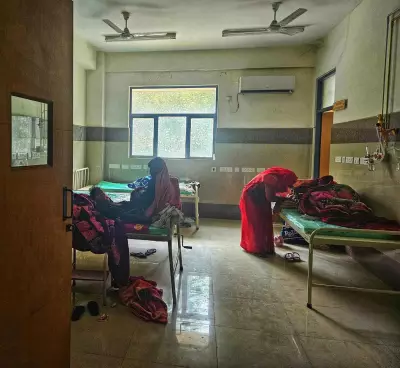
In a significant move to strengthen emergency healthcare services, the Punjab government has announced a specialised Intensive Care Unit (ICU) training programme for its Punjab Civil Medical Services (PCMS) doctors. The initiative, scheduled to commence from February 1, is designed to address critical care gaps in government hospitals across the state.
Addressing the Critical Care Deficit
The programme aims to enhance the capacity of in-service doctors to manage life-threatening emergencies and deliver timely, evidence-based care in ICUs at both district and tertiary levels. Health officials highlight that this training is crucial for improving outcomes for critically ill patients, especially in facilities where access to specialised intensivists is limited.
A total of eight PCMS doctors will be accommodated in each training cycle. The training will be conducted at two premier institutions: four doctors at Government Medical College, Patiala, and four at Government Medical College, Amritsar.

Curriculum and Core Competencies
The comprehensive training curriculum is divided into 12 detailed modules covering a wide spectrum of critical care. The focus will be on core competencies essential for ICU settings:
- Essential life-support skills (BLS & ACLS protocols)
- Systematic patient assessment and monitoring
- Management of airway, shock, and common medical emergencies
- Care for respiratory, cardiovascular, renal, neurological, and gastrointestinal crises
- Sepsis management and antimicrobial stewardship
Doctors will also receive hands-on, practical training in vital ICU procedures such as central and arterial line insertion, tracheostomy care, and the safe transport of critically ill patients. Specialised modules will cover trauma, burns, and obstetric and paediatric emergencies.
Expected Impact and Official Reactions
The initiative is expected to create a pool of better-trained doctors, significantly strengthening clinical decision-making at secondary and tertiary care levels. Officials believe it will enable quicker stabilisation of patients and reduce avoidable referrals to higher centres.
Dr. Akhil Sarin, President of the Punjab Civil Medical Services Association, welcomed the move. He stated that PCMS doctors are often the first responders in emergencies, particularly in peripheral hospitals. This structured training will boost their confidence, reduce critical delays, and ultimately help save more lives.
The Directorate of Medical Education and Research (DMER) has asked the health department to submit a list of willing PCMS doctors for nomination. The government has clarified that no training fee will be charged. However, expenses related to lodging, boarding, travel, and salary will be borne either by the parent department or the concerned doctors as applicable.
This capacity-building effort is poised to improve survival rates and the overall quality of critical care for seriously ill patients in Punjab's public health system.