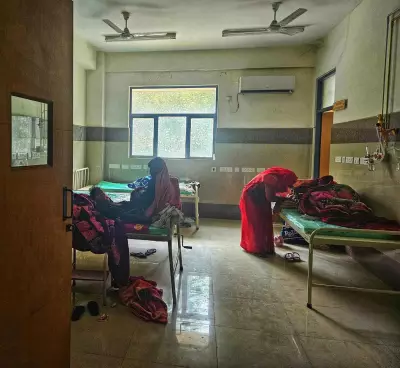
The Persistent Gender Crisis in Prosperous Punjab and Haryana
In a striking paradox, the economically advanced states of Punjab and Haryana continue to grapple with a profound gender crisis, defying the conventional wisdom that prosperity naturally leads to social progress. Despite their high per capita incomes and agricultural wealth, these regions exhibit some of the most skewed sex ratios in India, raising critical questions about the interplay between economic development and deep-seated cultural norms.
Alarming Statistics and Root Causes
The latest data reveals a distressing picture: Punjab and Haryana consistently report child sex ratios well below the national average, with Haryana often recording figures as low as 830 girls per 1000 boys in some districts. This imbalance is not a recent phenomenon but a persistent trend fueled by a complex web of factors. Son preference remains entrenched, driven by patriarchal traditions that prioritize male heirs for property inheritance, religious rituals, and family lineage. Economic prosperity has, paradoxically, sometimes exacerbated this bias, as wealthier families invest in sex-selective technologies to ensure male offspring, despite legal bans.
Societal pressures and dowry systems further marginalize daughters, viewing them as financial burdens rather than assets. This mindset is reinforced by cultural practices that undervalue women's contributions, limiting their access to education and employment opportunities even in prosperous settings. The crisis is compounded by inadequate enforcement of laws against female foeticide and a lack of sustained public awareness campaigns targeting rural and urban communities alike.

Broader Implications and the Path Forward
The gender imbalance in Punjab and Haryana has far-reaching consequences beyond mere numbers. It leads to a demographic deficit of women, contributing to issues such as bride trafficking, increased violence against women, and social instability. Economically, it undermines human capital development, as half the population is often sidelined from productive roles. Health outcomes also suffer, with women facing higher risks due to neglect and limited healthcare access.
Addressing this crisis requires a multifaceted approach that goes beyond economic measures. Key strategies include:
- Strengthening legal frameworks and ensuring strict implementation of laws against sex-selective practices.
- Promoting gender-sensitive education and media campaigns to challenge stereotypes and celebrate the value of daughters.
- Enhancing women's economic empowerment through skill development and job opportunities to shift perceptions of daughters as liabilities.
- Fostering community-led initiatives that involve local leaders and families in advocacy efforts.
Ultimately, fixing Punjab and Haryana's gender crisis demands a cultural transformation that aligns prosperity with progressive values. As these states continue to thrive economically, the real test lies in bridging the gap between wealth and social equity, ensuring that daughters are no longer seen as "lesser" in any aspect of life.