The industrial city of Panipat in Haryana is grappling with a severe air pollution crisis that has escalated into a public health emergency. Residents are experiencing worsening health conditions as the air quality continues to deteriorate beyond hazardous levels.
Alarming Pollution Statistics
The Air Quality Index (AQI) in Panipat has consistently remained above 400, placing it in the 'severe' category that affects healthy people and seriously impacts those with existing diseases. Recent data reveals that the city's pollution levels have reached critical levels, with particulate matter concentrations exceeding safe limits by multiple times.
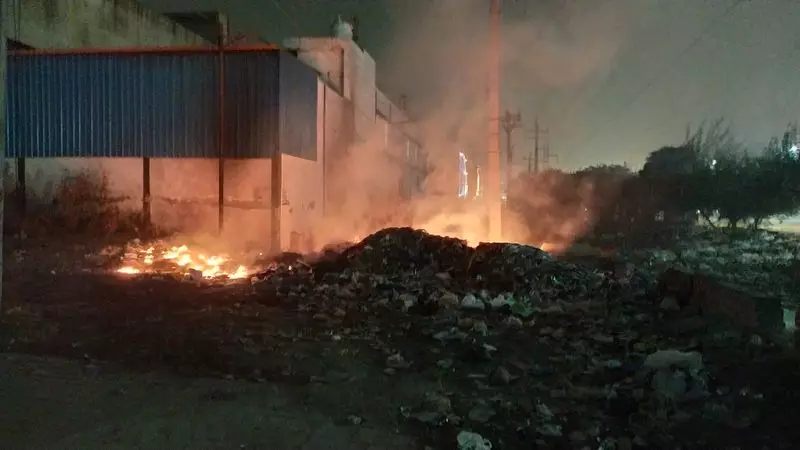
Local authorities and environmental experts have identified multiple contributing factors to this dangerous situation. Industrial emissions from the city's extensive textile and manufacturing units, vehicle exhaust, construction dust, and seasonal agricultural burning have combined to create a toxic atmospheric cocktail that residents are forced to breathe daily.

Health Impacts on Residents
Medical professionals across Panipat's hospitals and clinics are reporting a significant surge in patients suffering from pollution-related illnesses. Respiratory diseases including asthma, bronchitis, and chronic obstructive pulmonary disease (COPD) have seen a dramatic increase among all age groups.
Dr. Rajesh Kumar, a prominent pulmonologist in Panipat, confirms the disturbing trend. "We are witnessing an unprecedented number of patients with breathing difficulties, persistent cough, and lung infections. The situation is particularly dangerous for children, elderly citizens, and individuals with pre-existing health conditions who are most vulnerable to air pollution effects."
Local residents share harrowing accounts of their daily struggles. "My eight-year-old daughter has developed asthma in the past six months," says Priya Sharma, a worried mother. "We cannot let her play outside anymore, and even indoors, we need to use air purifiers constantly. This is no way for children to grow up."
Official Response and Public Outcry
The Haryana State Pollution Control Board (HSPCB) has acknowledged the severity of the situation and initiated measures to address the crisis. Regular monitoring of industrial emissions and increased inspections of pollution control systems in factories form part of the immediate action plan.
Environmental activists and citizen groups have organized protests and awareness campaigns, demanding more stringent action from authorities. "The time for half-measures is over," asserts environmental activist Sunil Verma. "We need immediate, decisive action to shut down polluting units and implement long-term solutions. The health of our citizens cannot be compromised for industrial growth."
Medical experts recommend that residents, especially those in vulnerable categories, take precautionary measures including wearing N95 masks outdoors, using air purifiers at home, avoiding morning and evening outdoor activities when pollution peaks, and seeking immediate medical attention for respiratory symptoms.
The situation in Panipat serves as a stark warning about the urgent need for balanced industrial development and environmental protection. As the city struggles to breathe clean air, the question remains whether sufficient measures will be implemented before more residents suffer irreversible health damage.