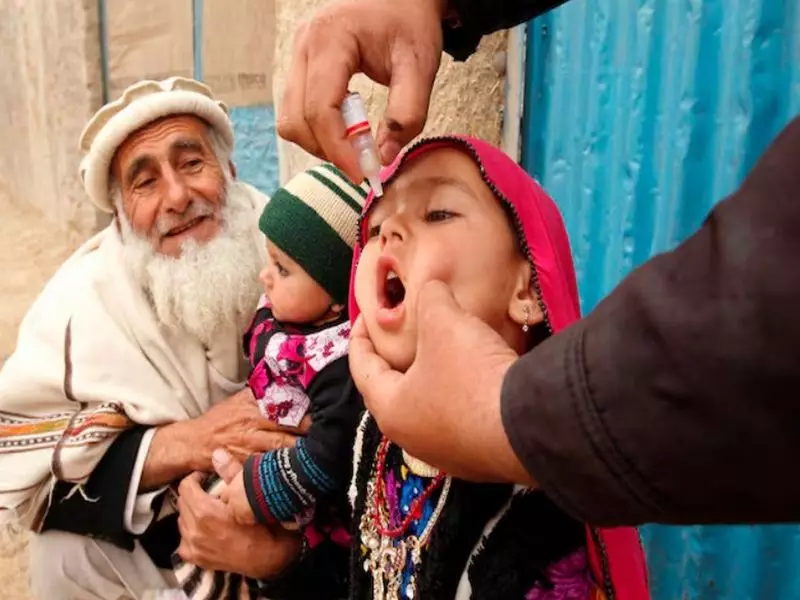
A recent nationwide polio immunization campaign in Pakistan has fallen critically short of its target, leaving nearly one million children unprotected in a volatile region. The drive, which concluded recently, failed to reach approximately 935,000 children in the merged districts of Khyber Pakhtunkhwa province, according to official data. This massive gap represents a significant setback in the global fight to eradicate the crippling disease and raises alarms about a potential resurgence.
Alarming Shortfall in High-Risk Region
The statistics reveal a deeply concerning picture. Out of a target population of over 3.2 million children under the age of five in these districts, health teams could only vaccinate around 2.3 million. This translates to a coverage rate of roughly 72%, far below the threshold required to build community immunity and stop virus transmission. The merged districts, formerly known as the Federally Administered Tribal Areas (FATA), are considered a core reservoir for the wild poliovirus and are pivotal to Pakistan's eradication efforts.
Officials from the Emergency Operations Centre (EOC) in Khyber Pakhtunkhwa have pointed to a combination of formidable challenges. Security threats to vaccination teams and persistent refusals by families were cited as the primary reasons for the low coverage. The region has a history of militant violence targeting health workers, creating a perilous environment for door-to-door campaigns. Furthermore, misinformation and religious conservatism in some communities continue to fuel vaccine hesitancy.

Root Causes: Security, Access, and Misinformation
Delving deeper into the causes, the situation is multifaceted. Beyond direct security threats, limited access to remote and conflict-affected areas physically prevents health teams from reaching every household. In some cases, local communities, influenced by propaganda, actively deny access to vaccinators. The data indicates that a significant portion of the missed children were in areas where teams faced outright bans or could not operate safely.
This failure is not an isolated incident but part of a worrying trend. Pakistan and Afghanistan remain the only two countries in the world where the wild poliovirus is still endemic. Successive campaigns in Pakistan have struggled with similar issues, but the scale of the miss in this latest drive—935,000 children—is particularly stark. Each unvaccinated child serves as a potential host for the virus, allowing it to circulate and mutate.
Implications and the Path Forward
The consequences of this shortfall are dire for both national and global health. This gap dramatically increases the risk of new polio cases emerging and spreading within Pakistan and across borders, including to neighboring India, which was declared polio-free in 2014. Outbreaks of a disease so close to eradication represent a tragic waste of decades of effort and investment.
Health authorities acknowledge the crisis and are planning a follow-up campaign. However, experts stress that without addressing the fundamental issues of security, community engagement, and misinformation, subsequent drives may yield similar disappointing results. The situation calls for a coordinated strategy involving local leaders, religious scholars, and security agencies to build trust and ensure the safety of health workers.
The world's eyes are on Pakistan's next moves. Eradicating polio requires leaving no child behind, and the missed 935,000 in the merged districts represent a critical chink in the armor of the global health initiative. The clock is ticking to reach them before the virus finds them first.