Water-Borne Disease Crisis Grips North India: Alarming Data from Punjab, Haryana, and Himachal Pradesh
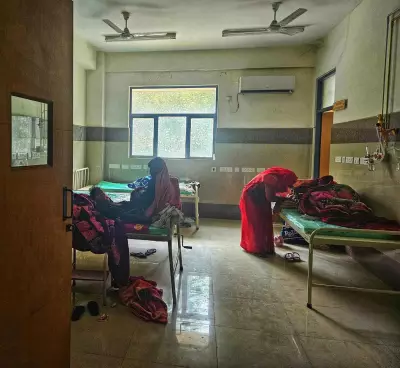
Unsafe water and inadequate sanitation continue to severely impact public health in northern India, with thousands of families in Punjab, Haryana, and Himachal Pradesh reporting numerous cases of water-borne diseases over the past five years. This critical information was disclosed in the Rajya Sabha by the Union Ministry of Health and Family Welfare, highlighting a persistent health emergency in the region.
Understanding Water-Borne Diseases and Their Causes
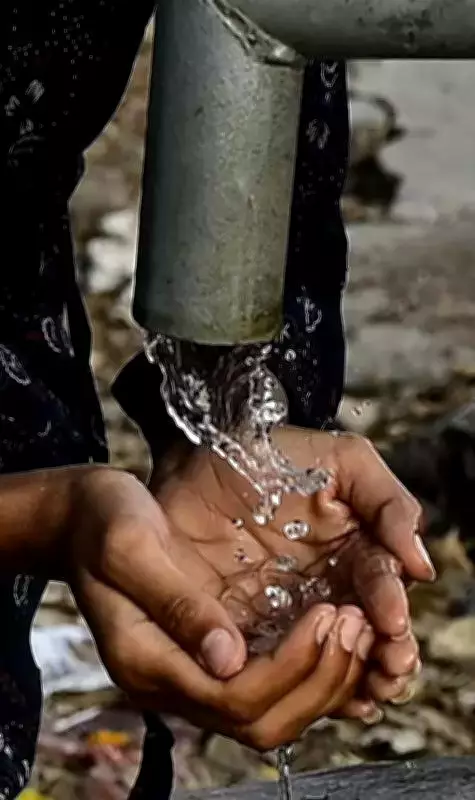
Water-borne diseases typically arise from consuming or contacting water contaminated with harmful bacteria, viruses, or parasites. Common contributing factors include poor sanitation, sewage contamination, insufficient water treatment, flooding events, and unhygienic handling of food and water. These conditions lead to infections such as cholera, typhoid, and acute diarrhoeal diseases, which pose significant risks to community health.
Detailed Disease Statistics from Punjab (2021-2025)
According to data from the Integrated Disease Surveillance Programme and Integrated Health Information Platform, Punjab has recorded substantial numbers of water-borne disease cases. In 2021, the state reported 37,769 cases of acute diarrhoeal diseases (ADD), along with seven cases of cholera, seven of Hepatitis A, three of Hepatitis E, and 4,314 of typhoid.

The following years showed fluctuating trends:
- 2022: 9,689 ADD cases, three cholera, 15 leptospirosis, 147 Hepatitis A, 28 Hepatitis E, and 14,385 typhoid.
- 2023: 6,614 ADD cases, 45 cholera, 267 leptospirosis, 294 Hepatitis A, 35 Hepatitis E, and 13,268 typhoid.
- 2024: 6,539 ADD cases, 138 cholera, 374 leptospirosis, 524 Hepatitis A, 69 Hepatitis E, and 10,080 typhoid.
- 2025: 8,036 ADD cases, 31 cholera, 276 leptospirosis, 371 Hepatitis A, 41 Hepatitis E, and 9,039 typhoid.
Analysis indicates that while ADD cases decreased sharply after 2021, typhoid remained a major concern with thousands affected annually. Hepatitis A and E cases increased after 2021 before showing variations in later years, and cholera cases peaked in 2024 before declining in 2025.
Haryana's Higher Typhoid Burden
Neighbouring Haryana reported significantly higher typhoid numbers, underscoring a severe public health challenge. In 2021, the state recorded 130,622 cases of ADD and 27,268 cases of typhoid. Typhoid cases continued at alarming levels: 17,708 in 2022, 26,434 in 2023, 35,397 in 2024, and 38,600 in 2025. Meanwhile, ADD cases in Haryana declined from 130,622 in 2021 to 23,860 in 2025, indicating some progress in managing diarrhoeal diseases but persistent issues with typhoid.
Lower but Concerning Figures in Himachal Pradesh
Himachal Pradesh reported comparatively lower figures, yet the data reveals ongoing health risks. In 2021, the state recorded 50,690 cases of ADD and 877 cases of typhoid. Typhoid cases increased to 4,553 in 2022 and 9,194 in 2023, before declining to 8,418 in 2024 and 7,240 in 2025. ADD cases in Himachal Pradesh decreased from 50,690 in 2021 to 29,081 in 2025, showing a downward trend but still highlighting significant water and sanitation issues.
Government Response and Public Health Measures
In its reply, the Ministry of Health and Family Welfare outlined several initiatives to combat this crisis. A comprehensive Public Health Guidelines for Flood Events has been issued, detailing disease surveillance during and after floods, with a particular focus on water- and food-borne diseases, vector-borne diseases, and sanitation issues.
The Ministry also emphasized promoting awareness of water-borne disease prevention and safe water practices through various channels:

- Village water and sanitation committees.
- Regular water quality testing programs.
- Sensitisation workshops and hygiene campaigns.
- Targeted interventions for vulnerable groups.
- Training programmes on safe water purification and handwashing practices, especially in rural areas.
Expert Analysis and Call to Action
Dr. Rakesh Kumar Gupta, President of the Strategic Institute for Public Health Education and Research, commented on the findings, stating that they underline persistent gaps in access to safe drinking water, sanitation, and hygiene. "The numbers reported year after year indicate this is not a seasonal or an isolated problem. Respective governments must take corrective measures by strengthening drinking water supply systems, ensuring regular water quality testing, improving sewage and drainage infrastructure, and intensifying surveillance in vulnerable areas," he said.
This data serves as a stark reminder of the urgent need for enhanced public health infrastructure and sustained efforts to ensure safe water and sanitation for all residents in Punjab, Haryana, and Himachal Pradesh.