

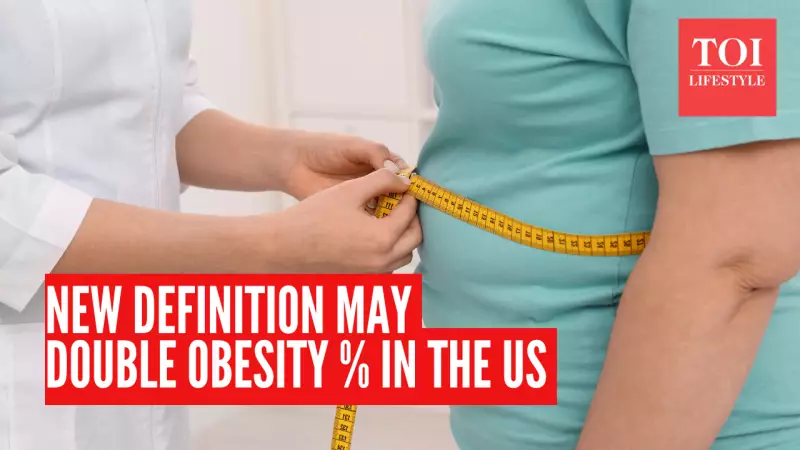
A groundbreaking study suggests the true scale of obesity in the United States may be far greater than previously measured. Research indicates that over 75% of US adults could meet the criteria for obesity when newer, more comprehensive measurements are used, compared to the 40% identified by the traditional Body Mass Index (BMI) alone.
Beyond BMI: A New Way to Measure Obesity
The study, conducted by a collaborative team from Beth Israel Deaconess Medical Center, Harvard University, Yale University, and Yale New Haven Health, challenges the long-standing reliance on BMI as the primary screening tool. Published in the journal JAMA Network Open, the research analyzed data from the National Health and Nutrition Examination Survey (NHANES) between 2017 and 2023.
The team examined information from more than 14,000 participants, representing a national estimate of 237.7 million adults. Instead of using only BMI, they applied the Lancet Commission's proposed criteria, which incorporate body fat distribution measurements. These include waist circumference, waist-to-hip ratio, and waist-to-height ratio.

Stark Findings Reveal a Hidden Health Crisis
The results were striking. When the new multi-measurement criteria were applied, an estimated 75.2% of U.S. adults qualified as having obesity. This figure is nearly double the percentage derived from BMI assessment alone. The findings suggest that BMI significantly underestimates the prevalence of obesity by failing to account for abdominal fat, which is a critical risk factor for serious health conditions like heart disease and diabetes.
The authors noted a particularly significant impact on older adults. The study found that nearly all adults aged 50 and older were classified as having obesity under the new definition. This highlights a potential need for age-specific thresholds in future diagnostic criteria.
Implications and the Path Forward for Health Screening
The research team emphasized the limitations of BMI as a standalone tool. They suggest that incorporating simple waist measurements into routine health screenings could dramatically improve the detection and management of obesity. This shift could lead to earlier interventions and better public health strategies.
However, the authors also cautioned that because adopting these new criteria would substantially raise official obesity estimates, more research is necessary before they are broadly implemented. They stress the importance of understanding the full implications for healthcare systems and public policy.
This study serves as a crucial wake-up call, indicating that America's obesity epidemic is likely more severe than current statistics show. It advocates for a modernized approach to health assessment that moves beyond a century-old metric to better capture the real risks to population health.






