

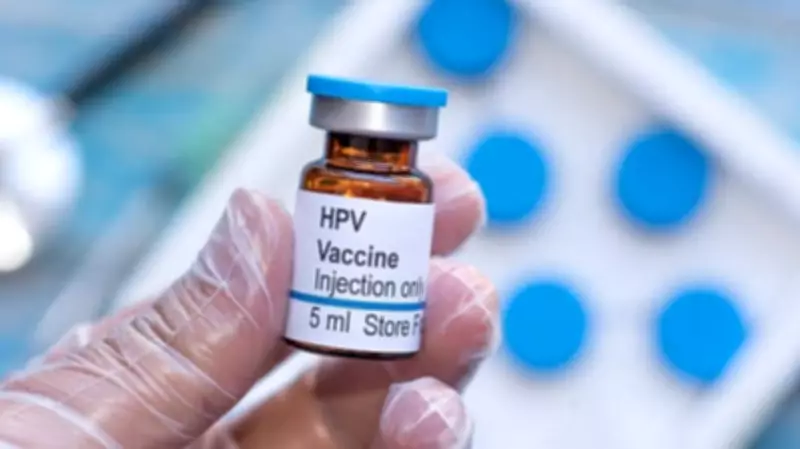
India Announces National HPV Vaccination Program for Adolescent Girls
The Union government is preparing to launch a significant public health initiative: a nationwide Human Papillomavirus (HPV) vaccination program specifically targeting girls aged 14. This strategic move aims to provide critical protection against cervical cancer, a leading cause of cancer-related deaths among women in India. Official sources have confirmed the imminent rollout, highlighting the government's commitment to preventive healthcare for young women.
Quadrivalent Vaccine Offers Comprehensive Protection
According to official statements, the program will utilize a quadrivalent HPV vaccine, which is designed to protect against four specific types of the virus. This vaccine is highly effective against HPV types 16 and 18, which are responsible for approximately 70% of all cervical cancer cases globally. Additionally, it provides immunity against HPV types 6 and 11, which are commonly associated with genital warts and other non-cancerous conditions.
The selection of this vaccine underscores a proactive approach to reducing the burden of cervical cancer in the country. By immunizing girls at the age of 14, the program aims to build immunity before potential exposure to the virus, maximizing the vaccine's effectiveness. Health experts emphasize that vaccination, combined with regular screening, can drastically lower cervical cancer incidence and mortality rates.

Addressing a Critical Public Health Challenge
Cervical cancer remains a major health concern in India, with thousands of new cases diagnosed each year. The launch of this vaccination program represents a pivotal step in aligning with global health goals, such as the World Health Organization's target to eliminate cervical cancer as a public health problem. The initiative is expected to be integrated into existing national immunization frameworks, ensuring broad accessibility and coverage across urban and rural areas.
Official sources have indicated that detailed implementation plans, including logistics, funding, and awareness campaigns, are being finalized to support a smooth launch. The program's success will depend on factors like community engagement, healthcare infrastructure, and sustained government support. This vaccination drive could serve as a model for other public health interventions targeting vaccine-preventable diseases.
Broader Implications for Women's Health
Beyond immediate cancer prevention, the HPV vaccination program is poised to have long-term benefits for women's health and well-being in India. Key aspects include:
- Reducing Healthcare Costs: By preventing cervical cancer cases, the program can alleviate the economic burden on families and the healthcare system.
- Empowering Young Women: Providing access to life-saving vaccines empowers girls to take control of their health from an early age.
- Enhancing Public Awareness: The initiative is likely to spur discussions about reproductive health and the importance of vaccination, leading to increased health literacy.
- Supporting National Health Goals: This aligns with India's efforts to improve maternal and child health outcomes and reduce non-communicable diseases.
As the government moves forward with this program, collaboration with healthcare providers, NGOs, and international organizations will be crucial. The announcement, dated 24 February 2026, marks a forward-looking step in India's public health strategy, with the potential to save countless lives and improve the quality of life for future generations of women.






