Nagpur Haj Health Camp Descends into Chaos on Opening Day
The mandatory health check-up camp for the Haj pilgrimage 2026, organized at Indira Gandhi Government Medical College and Hospital (Mayo) in Nagpur, was marred by significant disorder and mismanagement on its very first day. This led to hours of inconvenience for numerous pilgrims, who faced a glaring lack of basic arrangements at the facility.
Pilgrims Voice Grievances Over Inadequate Facilities
Pilgrims present at the camp reported an acute shortage of doctors and essential medical equipment. Specific complaints highlighted that ECG machines were non-functional, while even basic consumables such as ECG rolls and gel were unavailable. This inadequate setup resulted in widespread confusion and extended waiting times, exacerbating the plight of elderly pilgrims who were forced to stand in crowded conditions under harsh sunlight. Over 1,000 pilgrims had been allotted Mayo Hospital for this compulsory pre-pilgrimage medical screening.
Political Intervention and Official Response
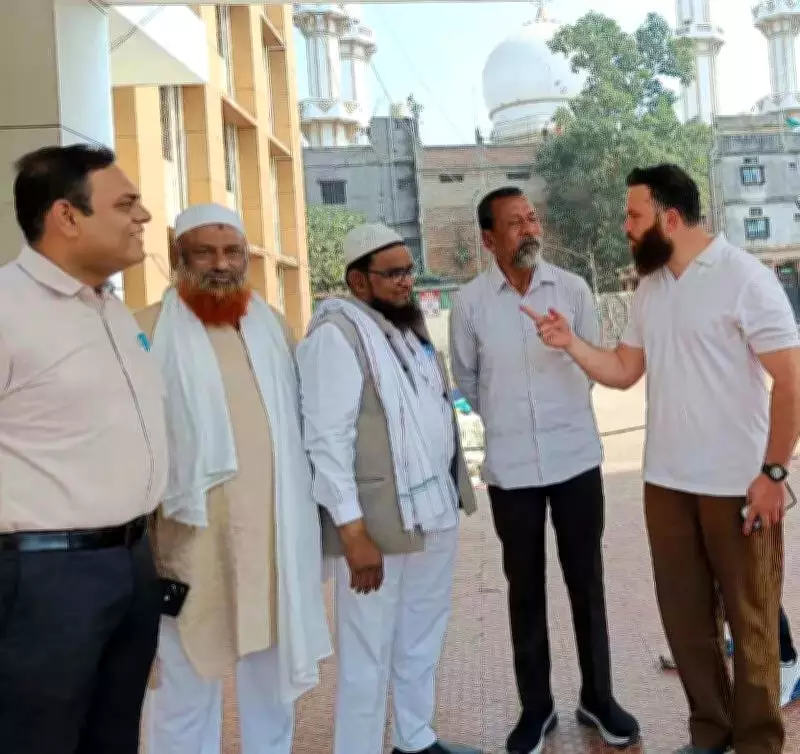
Following the influx of complaints, corporator-elect from Prabhag 8, Wasim Khan, arrived at the scene. Another corporator-elect, Siraj Ahmed, was already on-site assisting the distressed pilgrims. Khan promptly contacted senior officials and engaged with the IGGMCH administration. He also called Maharashtra Haj Committee chairman Asif Khan to express strong displeasure over the evident mismanagement. The issue was escalated to Mayo Hospital authorities, including the medical superintendent.

Hospital Administration's Explanation and Assurance
IGGMCH medical superintendent Dr. Nitin Shende stated that arrangements for the Haj medical examinations were conducted according to established protocol. He noted that nearly 1,200 registered pilgrims from Nagpur were accommodated. Dr. Shende elaborated that the medical screening process involves multiple stages:
- Blood tests
- X-rays
- ECG
- Physician examination
- Vaccination
He emphasized that these procedures cannot be completed at a single counter or through one machine, necessitating separate arrangements. These included different X-ray rooms for male and female pilgrims.
Dr. Shende attributed the initial delays to logistical adjustments typical on the first day of such camps and assured that the process was now running smoothly. He added that from the following day, examinations would be streamlined with a better division of pilgrims across various facilities to prevent overcrowding.
Commitment to Improved Operations
Hospital authorities have assured that all required facilities will be ensured moving forward. They committed that no pilgrim would face inconvenience in the coming days, aiming to restore order and efficiency to the health check-up process for the Haj pilgrimage aspirants.