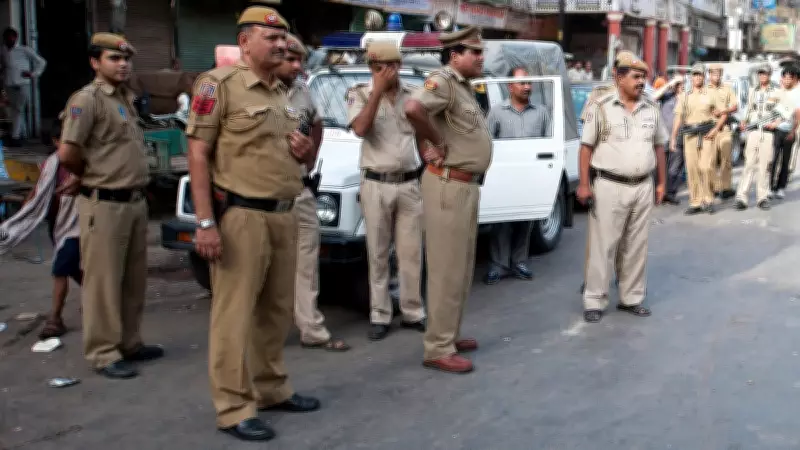
Despite growing evidence, India still lacks a dedicated national framework addressing mental health within law enforcement institutions. This gap has led to a silent crisis among police personnel, who face immense stress, trauma, and burnout without adequate support systems.
The Scope of the Problem
Police officers are exposed to high-stress situations, violence, and human suffering daily. Studies show that they experience higher rates of depression, anxiety, post-traumatic stress disorder (PTSD), and suicide compared to the general population. However, stigma and lack of resources prevent many from seeking help.
Current Initiatives and Their Limitations
Some states have introduced wellness programs, peer support groups, and counseling services. For example, Kerala Police have a mental health helpline, and Maharashtra Police conduct stress management workshops. Yet, these efforts remain fragmented and underfunded. A national framework is needed to standardize mental health provisions across all states.

Barriers to Mental Health Care
Key barriers include stigma within the force, fear of being perceived as weak, long working hours, and lack of confidentiality. Additionally, police training rarely emphasizes psychological resilience or coping strategies.
The Way Forward
Experts recommend a multi-pronged approach: mandatory mental health screenings, confidential counseling services, peer support networks, and training for supervisors to recognize signs of distress. A national policy could allocate funds, set standards, and ensure accountability.
As India’s police forces continue to shoulder immense responsibilities, addressing their mental health is not just a matter of welfare but of operational effectiveness. The crisis in khaki demands urgent attention from policymakers.