HPV Vaccination Campaign in Ludhiana Falls Short of Target
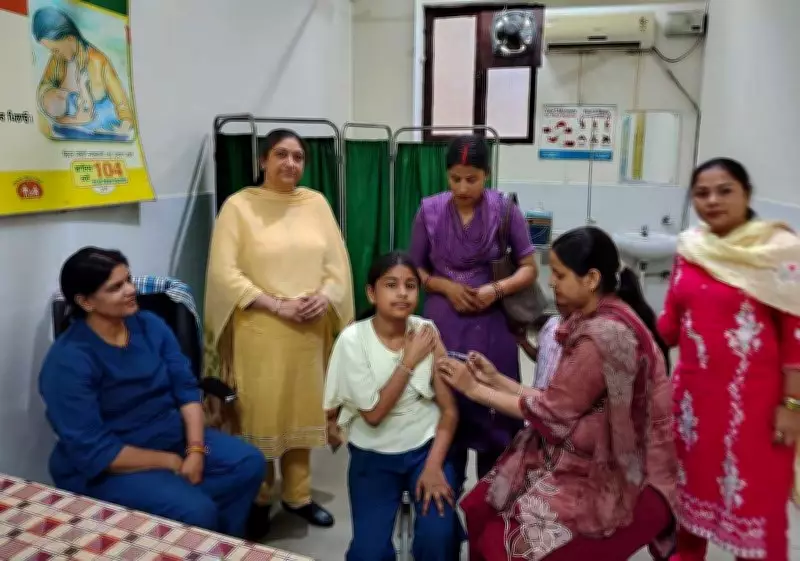
A government-led Human Papillomavirus (HPV) vaccination drive in Ludhiana, Punjab, has encountered a significant shortfall in participation, raising concerns about public health outreach and awareness. According to recent reports, only 225 girls have received the HPV vaccine so far, starkly contrasting with the ambitious target of vaccinating 40,000 girls in the district. This low turnout highlights potential challenges in implementing preventive healthcare initiatives in urban and rural settings alike.
Details of the Vaccination Drive and Its Objectives
The vaccination campaign, aimed at protecting young girls from cervical cancer and other HPV-related diseases, was launched as part of a broader public health strategy. Health authorities had set a goal to immunize thousands of eligible girls, primarily in the age group of 9 to 14 years, through schools and community health centers. However, the response has been tepid, with many parents and guardians either unaware of the vaccine's benefits or hesitant due to misconceptions and logistical barriers.
Key factors contributing to the low numbers include:

- Lack of awareness: Many families are not fully informed about the importance of HPV vaccination in preventing cervical cancer, leading to low demand.
- Logistical issues: Challenges in accessing vaccination sites, especially in remote areas, have hindered participation.
- Misinformation: Rumors and myths about vaccine safety and side effects may be deterring parents from consenting to the immunization.
Health Officials Respond to the Situation
Local health officials have acknowledged the disappointing turnout and are actively working to address the gaps. They emphasize that the HPV vaccine is a crucial tool in reducing the burden of cervical cancer, which remains a leading cause of cancer-related deaths among women in India. Efforts are underway to ramp up awareness campaigns through community outreach, school programs, and media engagements to educate the public about the vaccine's safety and efficacy.
Steps being taken to improve vaccination rates:
- Enhancing communication strategies to dispel myths and provide accurate information.
- Increasing the number of vaccination camps and making them more accessible.
- Collaborating with schools and local leaders to encourage participation.
Broader Implications for Public Health in Punjab
This shortfall in Ludhiana reflects broader challenges in public health initiatives across Punjab and India. While vaccination drives for diseases like polio and measles have seen success, newer vaccines like HPV often face hurdles due to lower awareness and competing health priorities. Experts stress the need for sustained efforts to integrate HPV vaccination into routine immunization programs and ensure equitable access for all girls, regardless of socioeconomic background.
In conclusion, the low turnout for the HPV vaccination drive in Ludhiana serves as a wake-up call for health authorities to reassess their strategies. By addressing awareness gaps and improving logistical support, it is hoped that future campaigns will see better participation, ultimately contributing to the fight against cervical cancer and improving overall public health outcomes in the region.