

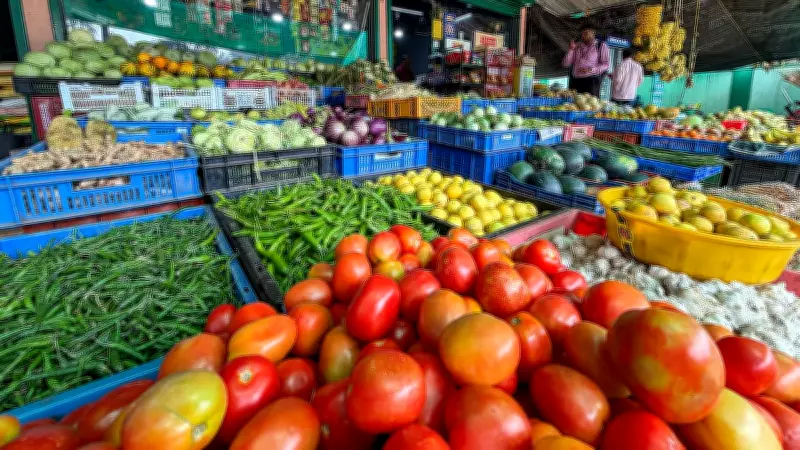
Alarming Lead Contamination Detected in Bengaluru's Vegetable Supply
A comprehensive study conducted by the Central Pollution Control Board (CPCB) has revealed disturbing findings about food safety in India's technology capital. According to the report, approximately 26% of vegetable samples collected from various markets across Bengaluru tested positive for lead contamination, raising serious public health concerns.
National Green Tribunal Takes Suo Motu Action
The National Green Tribunal (NGT) has taken up this critical issue through a suo motu case, demonstrating the judicial system's proactive approach to environmental and public health matters. The tribunal has directed the CPCB to conduct thorough ground-level assessments to verify the extent of contamination and carefully examine the Environmental Management and Policy Research Institute (EMPRI) report that initially highlighted these concerns.
The CPCB's investigation represents a significant escalation in monitoring urban agricultural pollution, particularly in rapidly growing metropolitan areas like Bengaluru where industrial and vehicular emissions may contribute to soil and water contamination that affects food crops.

Implications for Public Health and Food Safety
Lead contamination in vegetables poses substantial health risks, especially with chronic exposure. The presence of this heavy metal in the food chain can lead to:
- Neurological damage, particularly in children
- Developmental delays and learning difficulties
- Cardiovascular problems in adults
- Kidney damage and reproductive issues
The timing of this report is particularly significant, coming at a time when urban consumers are increasingly concerned about food safety and quality. Bengaluru, with its population exceeding 12 million, faces unique challenges in ensuring safe food supply chains amid rapid urbanization and industrial growth.
Regulatory Response and Future Monitoring
The CPCB's mandate from the National Green Tribunal includes not just verifying the current situation but also establishing robust monitoring mechanisms for the future. This development highlights the growing intersection between environmental regulation and public health protection in India's regulatory framework.
Food safety experts emphasize that while the 26% contamination rate is concerning, it also provides crucial data for targeted interventions. The findings will likely prompt increased testing of agricultural produce, stricter enforcement of industrial pollution controls, and greater public awareness about food sourcing and preparation methods that can reduce contamination risks.
As Bengaluru continues to expand both economically and demographically, this CPCB study serves as a critical wake-up call about the invisible threats in urban food systems and the urgent need for comprehensive environmental and public health safeguards.






