In a decisive move to prevent a public health disaster, the Kolkata Municipal Corporation (KMC) has placed the city's entire water supply infrastructure on high alert. This urgent directive was issued on Friday, mandating stricter laboratory examinations of raw water at all major treatment facilities. The action comes as a direct response to the tragic deaths of ten individuals in Indore, who lost their lives after consuming drinking water contaminated with sewage.
Enhanced Safety Protocols at Treatment Plants
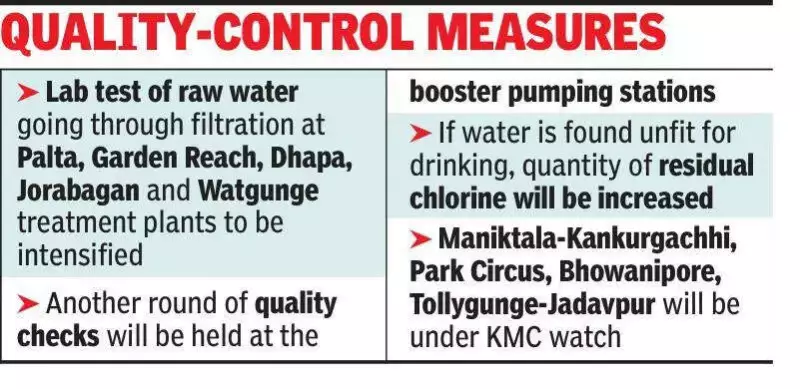
The KMC's senior officials have insisted on rigorous lab tests for raw water before it enters the filtration process. An official confirmed that testing at the crucial Palta water treatment plant would be made significantly more stringent. This enhanced vigilance will be mirrored at other key installations across the city, including the Garden Reach, Dhapa, Jorabagan, and Watgunge water treatment plants. The primary goal is to ensure that purity standards are not compromised at the very source of the city's water supply.
Vigilance at Booster Stations to Prevent Midway Contamination
Recognizing that risks persist even after treatment, the KMC has issued specific instructions to officials managing the city's water booster pumping stations. They have been ordered to conduct rigorous checks on water quality after it travels from the treatment plant through pipelines to these stations. A KMC water supply department official explained that determining quality at booster stations is essential, as long-distance travel through pipelines carries the risk of contamination. This risk often arises from pipeline cracks, leakages, or close contact with parallel-running sewage pipes.

The official outlined the contingency plan: "If we detect any sort of discrepancies in the quality of drinking water at the booster pumping stations, we will need to purify water to ensure supply is safe for drinking." One effective step includes increasing the quantity of residual chlorine in the water before it is distributed to households.
Special Focus on High-Risk and Vulnerable Areas
The civic body is maintaining a special watch over areas with a known history of diarrhoea outbreaks linked to contaminated water supply. Officials have identified the Kankurgachhi-Maniktala belt, Park Circus, Bhowanipore, and the Tollygunge-Jadavpur belt as zones requiring heightened vigilance. Furthermore, the KMC will keep a close eye on tube-well zones, where maintaining groundwater quality can sometimes pose a significant challenge. This comprehensive approach aims to safeguard Kolkata's residents from the severe health hazards posed by waterborne contaminants.