

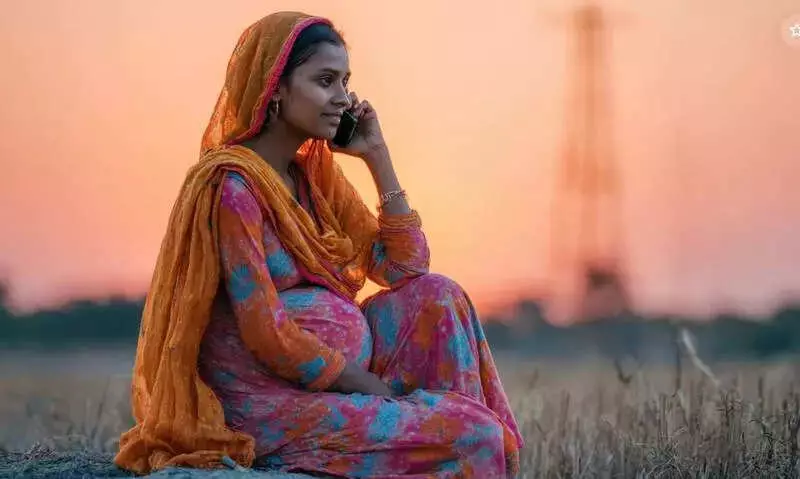
In a major push to improve healthcare outcomes for mothers and newborns, the Andhra Pradesh health department has revealed that its flagship Kilkari programme is providing crucial guidance to hundreds of thousands of women across the state. The initiative, also known as Chinnari Chirunavvu, leverages automated voice calls to deliver essential advice directly to beneficiaries.
How the Kilkari IVRS System Works
Commissioner for Family Welfare, Medical & Health, G Veerapandiyan, announced that the programme uses an Interactive Voice Response System (IVRS) to connect with pregnant women and lactating mothers. On average, nearly 2.5 lakh pregnant women benefit from these automated calls every year. Each call is designed to last a minimum of four minutes, ensuring comprehensive coverage of critical topics.
The content of the calls is meticulously planned to address the most pressing needs during and after pregnancy. Key areas discussed include:

- Maternal and child healthcare best practices
- Essential nutrition for mother and baby
- Immunisation schedules and their importance
- Family planning information
- Related health issues and preventative care
Veerapandiyan confirmed that the Kilkari programme is a nationwide effort, available in 13 languages, with Telugu being a primary language of delivery in Andhra Pradesh.
Streamlined Registration and Revised Call Schedule
The enrolment process for the service has been integrated into the state's digital health infrastructure. Once a beneficiary's details, including her mobile number and Auxiliary Nurse Midwife (ANM) information, are registered on the central Reproductive and Child Health (RCH) portal, the IVRS calls are triggered automatically.
State Nodal Officer Dr. Sirisha explained a significant update to the call frequency. Previously, women enrolled from their fourth month of pregnancy received weekly calls until delivery. The revised system now schedules calls once a month, starting from conception and continuing until the child reaches one year of age. This rationalisation aims to provide sustained support throughout the entire early childhood period.
Officials also clarified a key operational rule: if calls go unanswered for six consecutive months, the service is automatically discontinued for that number.
ASHA Workers Receive Digital Training for Programme Support
To ensure the programme's success on the ground, the state is heavily investing in training its frontline health workers. Accredited Social Health Activists (ASHAs) are undergoing digital training via a dedicated Mobile Academy platform.
A specially designed four-hour course equips them with the knowledge to guide women in their communities about the Kilkari programme and their broader daily responsibilities. Out of approximately 42,000 ASHA workers in Andhra Pradesh, nearly 41,000 have already completed this training, demonstrating widespread adoption and readiness.
The state's Health Minister, Satya Kumar Yadav, has directed senior officials and all District Medical and Health Officers (DMHOs) to prioritise the effective implementation of Kilkari. He has emphasised the need to create widespread awareness about the programme to ensure every eligible woman can benefit from this life-saving initiative.
This integrated approach, combining technology with trained human resources, represents a comprehensive strategy by the Andhra Pradesh government to tackle the persistent challenges of maternal and infant mortality, aiming for a healthier future for its mothers and children.






