

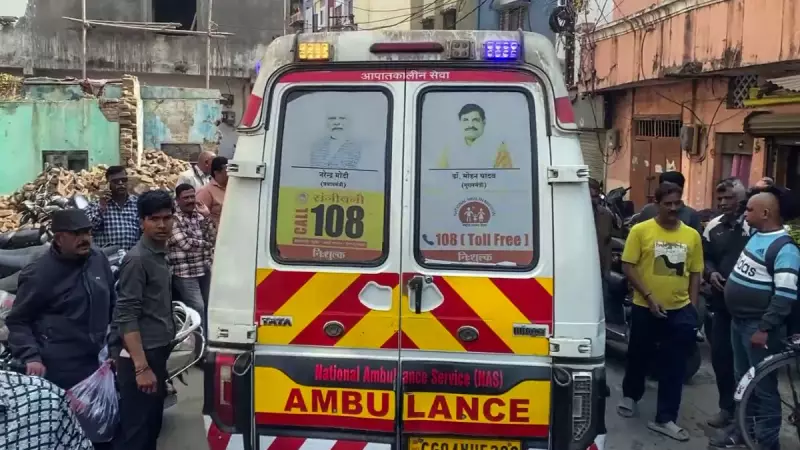
A severe public health crisis has erupted in Indore, Madhya Pradesh, following widespread contamination of the city's drinking water supply. The situation has turned deadly, with the death toll rising and prompting swift, punitive action against civic officials deemed responsible for the failure.
Officials Face Immediate Action Amid Rising Deaths
The gravity of the situation forced the district administration to take stringent disciplinary measures. Two officials from the Indore Municipal Corporation (IMC) have been suspended, while one has been dismissed from service. This decisive action underscores the administrative failure that led to the contamination of potable water, resulting in numerous citizens falling severely ill.
While the exact number of fatalities is being verified, reports confirm that the death count has climbed, with several individuals losing their lives after consuming the contaminated water. Hospitals across the city have been inundated with patients exhibiting symptoms of severe waterborne illnesses, including acute gastroenteritis, vomiting, and high fever.

Source of Contamination and Public Response
Preliminary investigations point to a breach in the water supply system, where sewage or other pollutants are suspected to have mixed with the clean drinking water lines. The contamination appears to be localized to specific zones within the city, but the fear and impact have spread widely.
Residents in affected areas have reported visibly discolored and foul-smelling water flowing from their taps. The crisis has sparked panic, with people rushing to buy bottled water and relying on water tankers arranged by authorities. Long queues at water distribution points have become a common sight as the municipal corporation struggles to provide safe, alternative drinking water to the impacted population.
Health department teams are conducting door-to-door surveys in the worst-hit localities, identifying symptomatic individuals and urging them to seek immediate medical attention. Hospitals have set up special wards and are stocking up on essential medicines and intravenous fluids to handle the influx of patients.
Administrative Scramble and Long-Term Concerns
The local administration has launched a multi-pronged response. Apart from the punitive actions, efforts are focused on identifying the exact point of contamination and repairing the compromised infrastructure. Water samples from various locations are being tested on an urgent basis to map the extent of the pollution.
This incident has raised serious questions about the aging water supply infrastructure in one of Madhya Pradesh's largest and most developed cities. Public anger is palpable, with citizens and opposition groups criticizing the civic body for negligence and a lack of proactive maintenance. The event highlights the fragile state of urban utilities and the catastrophic consequences of their failure.
The government has assured citizens that the situation is being brought under control and that strict action will be taken against any further lapses. However, the tragedy has already exposed critical vulnerabilities in the system, demanding not just immediate fixes but a comprehensive review of water supply safety protocols across urban centers.






