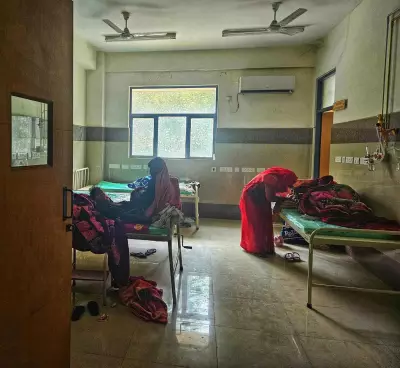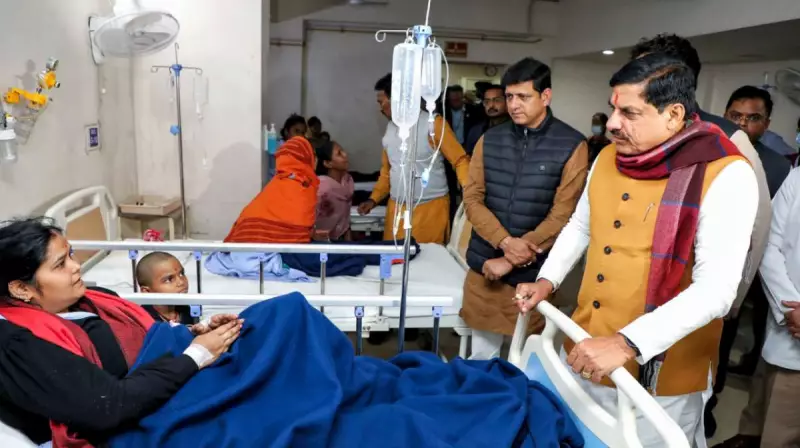
A major public health crisis has struck the city of Indore, with a laboratory report confirming that a leakage in a sewage pipeline contaminated the drinking water supply, leading to a tragic loss of life and widespread illness. The incident, which came to light in late December, has resulted in 13 confirmed deaths and left over 200 people still hospitalised as of early January.
Official Confirmation and Source of the Contamination
The Madhya Pradesh Public Health Engineering Department (PHED) received the damning lab report on January 2, 2026, which pinpointed the cause of the outbreak. The investigation revealed that a leakage in a sewage pipeline allowed harmful contaminants to seep into a potable water pipeline in the Nipania area of the city. This mix of sewage and clean water was then distributed to households, leading to severe gastrointestinal infections and poisoning.
Local authorities had been receiving numerous complaints of vomiting, diarrhoea, and stomach cramps from residents for several days before the scale of the disaster became fully apparent. The initial confusion over the cause was resolved only after the PHED's detailed analysis, which confirmed the deadly cross-connection between the two pipelines.

Immediate Response and Ongoing Crisis
In response to the catastrophe, the Indore Municipal Corporation (IMC) and health officials have launched a massive containment operation. Medical teams are working round the clock in affected areas, and temporary medical camps have been set up to treat the influx of patients. The administration is focusing on providing alternative safe drinking water through tankers to the impacted neighbourhoods while emergency repairs are carried out on the compromised pipeline network.
The situation remains critical, with hospitals reporting a steady stream of patients exhibiting symptoms of severe waterborne disease. The death toll, currently at 13, is feared to rise as many of those hospitalised are in serious condition. The incident has exposed glaring vulnerabilities in the city's ageing water infrastructure, raising serious questions about maintenance protocols and regular safety audits.
Accountability and Long-Term Implications
The tragedy has triggered a political storm and demands for accountability. Opposition leaders have slammed the local administration for its alleged failure in preventing the incident and for the delay in identifying the source. There are growing calls for a high-level inquiry and strict action against officials responsible for the maintenance of the water supply system.
Beyond the immediate health emergency, this incident has shattered public trust in the city's tap water supply. Experts warn that such contamination events can have long-lasting psychological and economic impacts on a community. The focus now is not only on treating the sick and fixing the broken pipe but also on implementing a robust, transparent mechanism to prevent a recurrence of such a man-made disaster.
The Indore water contamination case serves as a grim reminder of the critical importance of infrastructure integrity for public health. As one of India's cleanest cities, this event in Indore underscores that no urban centre is immune to systemic failures, and constant vigilance is non-negotiable when it comes to something as basic and vital as safe drinking water.