

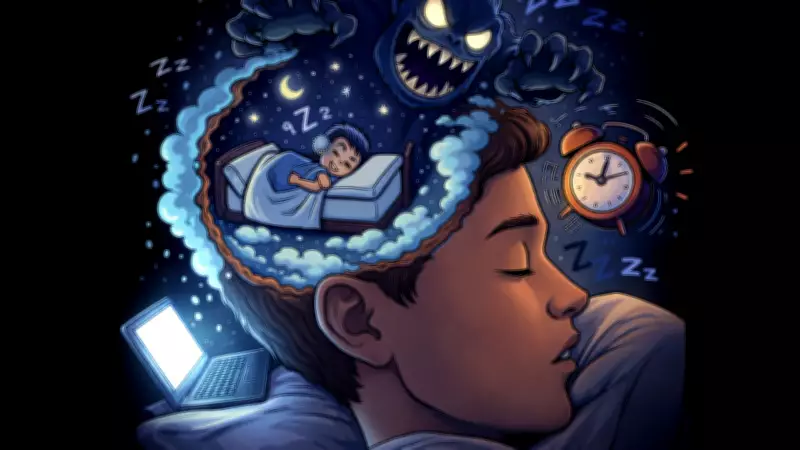
India's Silent Sleep Epidemic: Millions Struggle as Rest Becomes a Luxury
"O sleep, O gentle sleep, Nature's soft nurse, how have I frightened thee..." wrote William Shakespeare centuries ago. Today, those poetic lines resonate as a stark medical reality across India. What was once considered a passive, restorative necessity has transformed into one of the nation's most pressing yet under-recognized public health concerns.
The Scale of the Crisis
India is grappling with what medical experts describe as a "silent epidemic" of sleep disorders. A comprehensive 2025 systematic review published in the Indian Journal of Public Health, analyzing data from nearly 68,000 individuals, reveals alarming statistics. The study found that 25.7% of Indians suffer from insomnia, while 37.4% are affected by obstructive sleep apnea (OSA). Additionally, 10.6% experience restless leg syndrome, a neurological condition that severely disrupts sleep cycles.
The situation becomes even more concerning among those with pre-existing health conditions. Nearly half of these individuals suffer from sleep apnea, while one-third report insomnia, indicating a dangerous interplay between sleep disorders and chronic diseases.

The crisis is particularly acute among younger generations. Nearly a quarter of Gen Z and Millennials in India report symptoms of clinical insomnia, characterized by persistent tossing, turning, and waking up unrefreshed. Despite these troubling numbers, sleep quality remains curiously absent from routine health check-ups across the country.
The Modern Lifestyle Trap
The roots of India's sleep crisis lie in its rapidly evolving lifestyle patterns. Multiple factors have converged to disrupt natural sleep rhythms:
- Prolonged late-night screen exposure
- Erratic work schedules and shift patterns
- Increasing urban stress levels
- The collapse of boundaries between work and personal life
A revealing survey among IT professionals in Hyderabad found that 97% used electronic devices for at least one hour before bedtime, while 62% reported significant difficulty sleeping. Dr. Vikram Sarbhai, president of the Indian Sleep Disorders Association, explains: "Sleep deprivation is perhaps the world's biggest silent epidemic and has been worsening for decades, driven by our shift to a 24-hour society since the advent of electric lighting."
The body's circadian rhythm—the internal clock regulating sleep and wake cycles—is increasingly being thrown off balance, leading to far more than just daytime fatigue.
When Lack of Sleep Becomes a Health Risk
Sleep deprivation affects nearly every physiological system in the human body. Medical experts warn that poor sleep quality is closely linked to numerous serious health conditions:
- Hypertension and cardiovascular diseases
- Increased stroke risk
- Type 2 diabetes and obesity
- Clinical depression and anxiety disorders
- Cognitive decline and memory impairment
Beyond individual health, sleep deprivation has significant societal consequences. It dulls concentration, impairs decision-making capabilities, and increases the risk of workplace and transportation accidents. Studies by the Central Road Research Institute found that approximately 40% of accidents on the Agra-Lucknow expressway were linked to driver fatigue.
At a biological level, the damage runs even deeper. Sleep disruption increases systemic inflammation, which can damage blood vessels, accelerate brain cell death, and lead to the buildup of toxic proteins associated with neurodegenerative diseases like Alzheimer's.
The consequences of chronic sleep deprivation often remain invisible until they manifest dramatically. In one disturbing case, a 26-year-old postgraduate student at AIIMS Raipur allegedly died by suicide, leaving behind a note citing "work pressure, insomnia and sorry." While investigations continue, this incident underscores how sleep disorders, when combined with psychological stress, can spiral into severe mental health crises.
Why Women Suffer Differently
Sleep disorders do not affect all populations equally. Women experience more complex sleep disruptions due to hormonal fluctuations across various life stages:

- Puberty and menstrual cycles
- Pregnancy and postpartum periods
- Perimenopause and menopause transitions
Fluctuations in estrogen and progesterone levels can significantly affect sleep architecture and quality. Many women report poor sleep during premenstrual phases, while perimenopause is often marked by frequent night awakenings and difficulty maintaining sleep.
Psychological factors compound these biological challenges. Women face higher risks of anxiety, depression, and trauma-related disorders, all of which are closely linked to insomnia development and maintenance. Societal expectations add another layer of complexity, as caregiving responsibilities and emotional labor often fall disproportionately on women, leaving limited opportunities for adequate rest and recovery.
The Rise of the 'Sleep Economy'
As quality sleep becomes increasingly elusive, it has simultaneously transformed into a valuable commodity. India's growing middle class and wellness-conscious urban population have fueled the rapid expansion of a multi-crore sleep solutions market. This burgeoning industry offers diverse products and services:
- Sleep-tracking wearables and smart devices
- Meditation and relaxation applications
- High-end mattresses and bedding systems
- Nutritional supplements and herbal remedies
Digital platforms like Headspace and Calm are gaining significant popularity, offering guided meditation sessions and sleep aids. Melatonin supplements, white-noise machines, and "smart bedding" products are increasingly marketed as quick solutions to sleep problems.
A Canadian study has suggested that melatonin might help repair oxidative DNA damage caused by poor sleep patterns. Participants who took melatonin supplements showed an 80% increase in DNA repair markers during sleep periods. However, experts caution against over-reliance on such products.
"Melatonin is not a magic cure," emphasizes Dr. Sarbhai. "While it may support the body's natural processes, it cannot undo years of poor sleep habits. Lifestyle modifications remain the cornerstone of sustainable sleep health."
The Dark Side of 'Sleepmaxxing'
The cultural obsession with optimizing sleep has given rise to questionable trends on social media platforms. So-called "sleepmaxxing" hacks are gaining traction online despite minimal scientific validation. These include potentially dangerous practices:
- Mouth taping to encourage nasal breathing
- Rope-assisted neck swinging techniques
- Various unverified breathing exercises
Some viral videos claim that hanging by the neck can improve sleep quality, while others promote extreme measures with no medical basis. Experts have issued strong warnings against such practices.
"These techniques are ridiculous, potentially harmful, and evidence-free," states Timothy Caulfield, a misinformation expert from the University of Alberta in Canada. "They represent dangerous pseudoscience that could cause physical harm."
Even seemingly harmless habits can backfire psychologically. The pressure to achieve "perfect sleep" can lead to orthosomnia—an unhealthy obsession with sleep quality that ironically worsens insomnia symptoms through increased anxiety and performance pressure.
Kathryn Pinkham, a Britain-based insomnia specialist, explains: "My concern with the 'sleepmaxxing' trend, particularly as it's presented on platforms like TikTok, is that much of the advice being shared can be actively unhelpful, even damaging, for people struggling with real sleep issues. While some tips might be harmless for good sleepers, they can increase pressure and anxiety for those dealing with chronic insomnia."
The Pill Problem
Perhaps the most concerning trend is the growing dependence on pharmaceutical sleep aids. In urban India, where stress levels remain high and time appears scarce, many individuals turn to over-the-counter or prescription medications as quick solutions.
While these drugs may offer temporary relief, they often fail to address the root causes of insomnia. In some cases, they can lead to medication dependency and mask underlying mental health issues such as anxiety or depression that require different therapeutic approaches.
Medical professionals emphasize that insomnia is frequently a symptom rather than the primary disease itself. Despite the scale of the problem, India lacks a comprehensive national policy on sleep health. Unlike countries such as the United States, the United Kingdom, and Japan, India has no mandatory screenings for sleep disorders among high-risk groups like commercial drivers. Public awareness remains limited, and sleep is rarely treated as a priority in healthcare policy discussions.
Toward Sustainable Solutions
The solution to India's sleep crisis does not reside in any single pill, product, or technological gadget. It requires fundamental shifts in individual and collective mindsets. Simple yet effective lifestyle changes can make substantial differences:
- Maintaining consistent sleep schedules
- Reducing screen time before bedtime
- Incorporating regular physical exercise
- Developing effective stress management techniques
Equally important is recognizing sleep as a fundamental pillar of health, equivalent in importance to balanced nutrition and regular physical activity. At broader societal levels, workplaces and policymakers must implement meaningful changes by promoting healthier work hours, reducing burnout culture, and integrating sleep health into public health frameworks and educational curricula.
A Deeper Societal Question
India's sleep crisis extends beyond medical insomnia diagnoses. It reflects a society that remains constantly "on," where rest is frequently viewed as a luxury rather than a biological necessity. As demand for sleep solutions grows, a paradoxical situation emerges: the more intensely we chase perfect sleep, the more elusive it becomes.
Sleep cannot be purchased, hacked, or engineered through perfect optimization. It must be allowed to occur naturally through conducive environments and healthy habits. The fundamental question India must confront is not merely how to sleep better, but why, in a nation of over 1.4 billion people, so many have forgotten how to sleep at all.





