

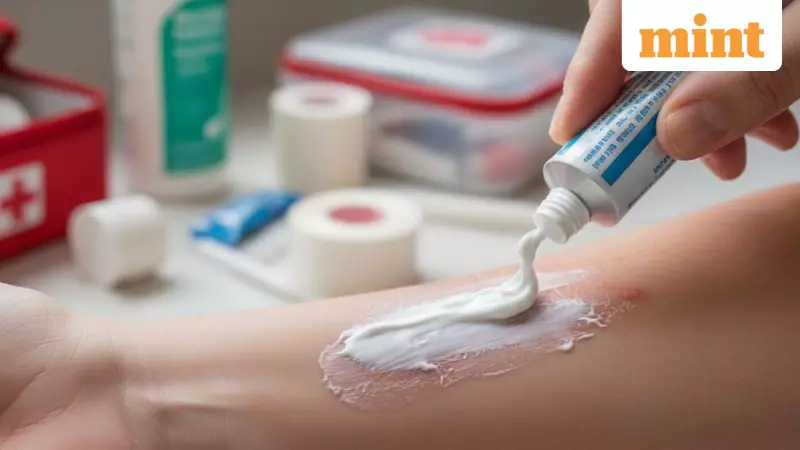
In a significant move to tackle India's alarmingly high burn-related fatalities, the central government has rolled out the nation's first comprehensive, standardised treatment guidelines for burn injuries. The new protocol, effective immediately across all health centres, aims to replace fragmented hospital-specific practices with a uniform, evidence-based system.
A National Framework to Address a Burning Crisis
The development is critical against the backdrop of rising burn injuries, which account for an estimated 6-7 million cases annually and approximately 150,000 deaths every year. Women and children are disproportionately affected, primarily due to accidents involving cooking fires and flammable liquids.
The newly issued framework organizes burn care into four distinct levels: pre-hospital, primary, secondary, and tertiary. It clearly outlines responsibilities at each stage to minimize treatment delays, inappropriate care, and avoidable complications. This addresses a critical gap where healthcare professionals often had to rely on a mix of personal expertise and conflicting protocols due to resource constraints.

"Standard treatment guidelines are vital because medical science is evidence-based, yet currently, individual hospitals often follow disparate protocols. It is crucial to collate best practices to ensure uniformity," said Dr. Sameek Bhattacharya, head of the department of burns and plastic surgery at RML Hospital and a contributor to the guidelines.
Strict 'No' to Harmful Home Remedies, Focus on Correct First Aid
A major emphasis of the new protocol is on proper first aid at the community level. The guidelines explicitly instruct first responders to cool burn wounds with running tap water for at least ten minutes. Crucially, they prohibit the application of common household remedies such as ice, toothpaste, grease, ghee, gentian violet, or butter.
"Household items like toothpaste or ice should not be used on burned skin, as they further damage the tissue. Running water at room temperature is a simple first aid measure to cool the surface before a patient sees a doctor," explained Dr. Bhattacharya. The guidelines warn that agents like grease and butter make a formal assessment of the wound’s depth and extent difficult, potentially worsening outcomes.
Stratified Care, Holistic Recovery, and Economic Relief
At the clinical level, the protocol mandates specific formulas for fluid resuscitation to prevent shock and recommends antimicrobial silver-based dressings for wound care. It clearly specifies which categories of burns can be managed at Primary Health Centres (PHCs) and identifies red flags that require immediate referral to higher facilities.
"We have stratified these guidelines to align with our healthcare hierarchy," said Dr. Bhattacharya. "It is essential that PHC staff can handle initial cases while instantly recognizing the red flags that necessitate a transfer."
Marking a shift from mere survival to holistic recovery, the guidelines integrate comprehensive supportive care. This includes mandating immediate physical therapy and splinting to prevent deformities. A dedicated chapter on psychological care outlines protocols for screening delirium, acute stress, and depression, aiming to mitigate long-term mental health impacts like PTSD.
The framework also standardizes nutritional support with specific calorie requirements to aid metabolic recovery. Furthermore, it addresses the immense economic toll of burn injuries, emphasizing the need to provide the "most cost-effective treatment" and outlining how schemes like Ayushman Bharat can benefit patients.
"Burn injuries require prolonged treatment, and the initial few hours are crucial for determining the specific care a patient needs," said Dr. Maneesh Singhal, head of the department of plastic, reconstructive and burns surgery at AIIMS, Delhi. "These guidelines are vital as they educate medical professionals on correct treatment protocols."






