

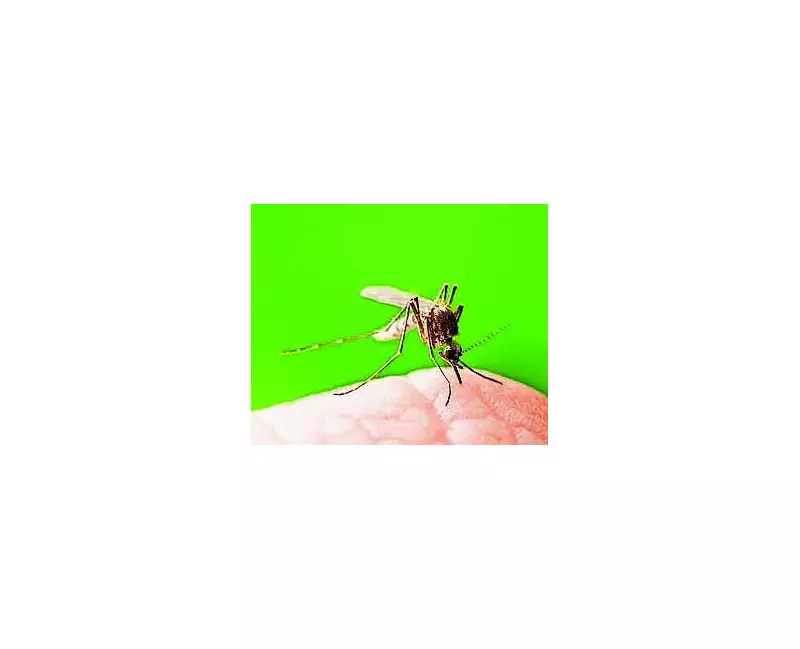
India has achieved a dramatic reduction in its malaria burden over the last decade, with the disease now largely confined to specific districts and pockets, particularly in parts of the Northeast. This significant progress moves most of the country closer to the goal of elimination, according to the latest Malaria Elimination Technical Report 2025.
National Numbers Show Stunning Progress
The national data reveals the scale of India's success in combating malaria. Reported malaria cases have fallen from approximately 11.7 lakh in 2015 to around 2.27 lakh in 2023, marking a reduction of nearly 80%. Even more critically, malaria-related deaths dropped from 384 to 83 during the same eight-year period. This steep decline has officially pushed India into a high-impact, low-transmission phase of its elimination journey.
The report highlights a clear geographic contraction of the disease. Where multiple states and Union Territories reported high burdens in 2015, sustained public health interventions have successfully pushed most regions into low- or very low-transmission categories. States that were once major contributors to the national caseload—including Odisha, Chhattisgarh, Jharkhand, and Meghalaya—have seen sustained declines and are no longer classified as high-burden at the state level.

The Final Frontier: Persistent Pockets and New Challenges
Despite the nationwide success, the report cautions that the remaining malaria transmission is increasingly concentrated and heterogeneous. The battle is now focused on forested, tribal, and border areas where clusters persist. In the Northeast, districts in Mizoram and Tripura continue to report cases due to a challenging mix of factors like dense forest cover, cross-border movement, seasonal migration, and difficulties in early diagnosis and patient follow-up.
At the same time, elimination gains are becoming visible on the ground. Ladakh, Lakshadweep, and Puducherry reported zero indigenous malaria cases, and a total of 122 districts across India recorded no malaria cases in 2023. This indicates that district-level elimination is advancing rapidly.
Precision Needed in the Final Phase
As overall numbers decline, the report flags new risks that could threaten progress. These include asymptomatic infections, reduced public and systemic vigilance, and the emergence of urban malaria linked to construction sites and mosquito breeding in cities. Experts warn that this final phase will require precision-targeted strategies rather than broad-scale interventions.
India has set a national target to eliminate malaria by 2030, with some states aiming for zero transmission even earlier. The report concludes that while malaria is no longer a widespread nationwide threat, finishing the job will depend on sustained surveillance, district-specific strategies, and uninterrupted funding for the remaining high-risk pockets.






