

India's Ambitious HPV Vaccination Drive to Launch by 2026
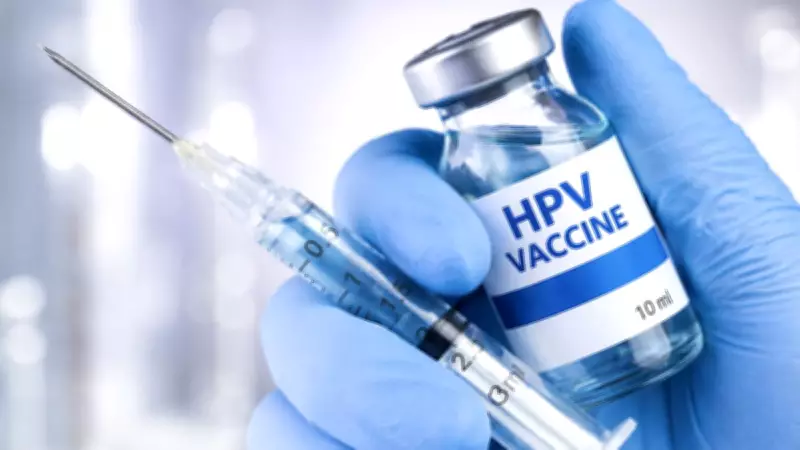
In a landmark move for public health, India is set to roll out a nationwide Human Papillomavirus (HPV) vaccination program by 2026. This initiative aims to protect girls from cervical cancer, a leading cause of cancer-related deaths among women in the country. The government's plan involves administering the vaccine to adolescent girls, with the Gardasil vaccine expected to play a central role in the campaign.
Targeting Cervical Cancer Prevention
Cervical cancer is a significant health burden in India, accounting for nearly one-fourth of global cases. The HPV vaccine is highly effective in preventing infections from high-risk HPV strains that cause most cervical cancers. By immunizing girls before they become sexually active, the program seeks to reduce future incidence rates dramatically. Health officials emphasize that this proactive approach could save thousands of lives annually and alleviate the economic strain on healthcare systems.
Implementation and Challenges
The rollout will require extensive planning, including vaccine procurement, distribution logistics, and public awareness campaigns. Gardasil, a widely used HPV vaccine, is likely to be a primary choice due to its proven efficacy against multiple HPV types. However, challenges such as vaccine hesitancy, infrastructure gaps in rural areas, and funding constraints must be addressed to ensure success. The government is collaborating with international health organizations to streamline efforts and leverage best practices from other countries with successful HPV vaccination programs.

- Nationwide implementation targeted for completion by 2026.
- Focus on adolescent girls to maximize preventive benefits.
- Use of Gardasil and potentially other approved HPV vaccines.
- Integration with existing immunization programs for efficiency.
- Public education drives to combat misinformation and boost uptake.
Broader Health Implications
Beyond cervical cancer, HPV vaccination can prevent other HPV-related conditions, such as genital warts and cancers of the anus, vagina, and oropharynx. This rollout aligns with global health goals, including the World Health Organization's strategy to eliminate cervical cancer as a public health problem. Experts predict that sustained vaccination efforts could lead to a significant decline in cervical cancer cases in India over the coming decades, marking a turning point in women's health.






