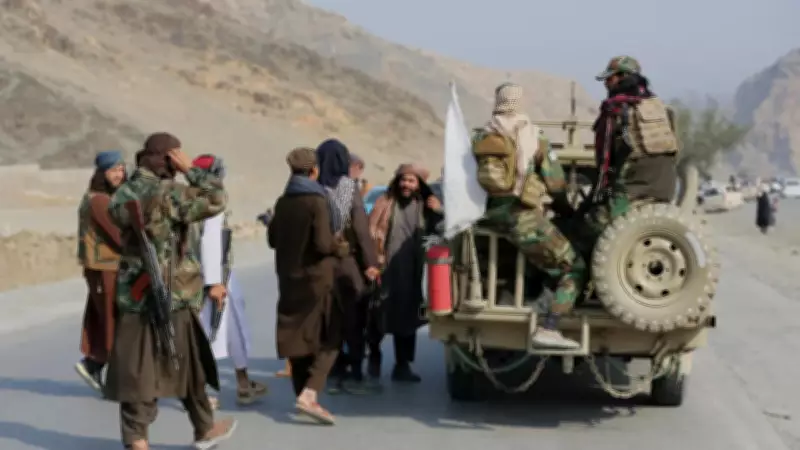
Pakistan Announces Temporary Military Pause Against Afghanistan
Pakistan has declared a temporary suspension of its military operations targeting Afghanistan, according to a Reuters report citing Information Minister Attaullah Tarar. The decision, announced on Wednesday, comes as a significant development in the ongoing conflict between the two neighboring nations.
Reasons Behind the Pause
The minister stated that the pause was implemented in consideration of the upcoming Eid celebrations, a major religious festival. Additionally, the move followed specific requests from key regional players, including Turkey, Saudi Arabia, and Qatar, highlighting the international pressure to de-escalate hostilities.
However, critical details remain unclear. There is no immediate information regarding the exact duration of this temporary halt or whether further measures to reduce tensions are being planned. This uncertainty leaves the situation fluid and potentially volatile.

Background of Escalating Tensions
This development occurs against a backdrop of severely heightened tensions along the Pakistan-Afghanistan border. The escalation follows a devastating airstrike in Kabul earlier this week, which Afghan officials report resulted in over 400 fatalities and 265 injuries. These figures have not been independently verified but underscore the conflict's deadly intensity.
The Pakistani military has defended its actions, claiming the targeted site in Kabul was used for storing drones and military-grade ordnance, as well as for training suicide bombers. This strike marks the deadliest incident in a conflict that has now entered its third week, signaling a dangerous and prolonged confrontation.
Regional and Global Context
The announcement coincides with broader regional instability, including the ongoing Israel-Iran conflict, where recent reports indicate U.S. strikes on Iranian missile sites near the Strait of Hormuz and Iranian attacks on Tel Aviv. In a related development, Iran confirmed the death of its national security chief, Ali Larijani, with President Pezeshkian offering condolences, an event that has further escalated regional conflicts.
The temporary pause by Pakistan may offer a brief respite, but the underlying issues driving the Pakistan-Afghanistan border conflict remain unresolved. The involvement of regional powers like Turkey, Saudi Arabia, and Qatar suggests a concerted diplomatic effort to prevent further bloodshed, yet the path to lasting peace appears fraught with challenges.
As the situation evolves, observers are closely monitoring whether this pause will lead to meaningful dialogue or merely serve as a temporary lull in a protracted and deadly struggle between the two nations.