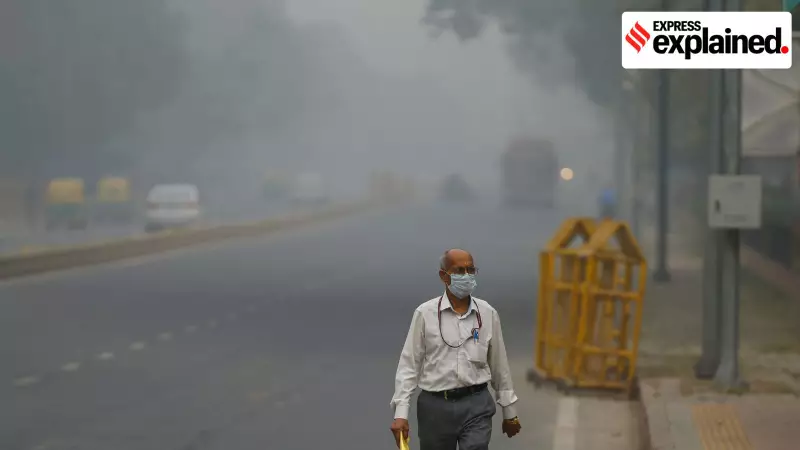
While most Indians worry about smog-filled skies, a hidden danger lurks inside our homes. Research reveals that indoor air can be two to five times more polluted than outdoor air, yet monitoring and regulations remain largely absent in India.
The Breakthrough Solution
Sensing this critical gap, a research team from BITS Pilani Hyderabad's MMNE Lab has developed India's first customized Indoor Air Quality (IAQ) scale. Led by Professor Sankar Ganesh and Dr. Atun Roy Choudhury, this innovation can be accommodated in small devices using existing sensors available in India.
"It is more effective than air purifiers, which currently can measure only particulate matter and humidity," says Prof. Ganesh. The goal is to provide Indian households with a simple, relatable scale similar to the outdoor AQI, helping people understand their indoor air health risks. The team is currently securing intellectual property rights for their invention.

Hidden Dangers in Indian Homes
The research, published in the Royal Society of Chemistry journal, examined the correlation between construction practices and IAQ deterioration. The study identified common pollutants including PM2.5, PM10, carbon monoxide, NOx, and volatile organic compounds (VOCs).
Construction dust emerges as the most significant indoor pollution source, with volumes expected to reach 430 million tonnes by 2030 from 300 million tonnes today. "The biggest indoor pollution is from construction dust from sites near your home, or even renovation and refurbishing of your own home," Ganesh explains.
Unexpected pollution sources include aromatic disinfectants generating benzene, incense sticks producing carbon monoxide in closed settings, and organic waste releasing methane when not properly segregated. Methane poses particular concern as it's 80 times stronger than carbon dioxide over 20 years and contributes to ozone layer damage.
Health Impacts and Vulnerable Groups
Dr. Choudhury highlights the severe health consequences: "Poor IAQ is linked to sick building syndrome, triggering headaches, fatigue and irritation." Given that modern constructions often lack cross ventilation, poor indoor air can cause asthma, bronchial allergies, COPD, reduced immunity, cardiovascular disease, and cancer.
Women and infants face the highest risk due to longer indoor exposure and cooking-related emissions. The study found that fine particulate matter can rise well above safe limits during routine activities like cooking and cleaning, with seasonal fluctuations worsening the situation during winters and festive periods.
How the Indian IAQ Scale Works
The researchers conducted a pan-Indian survey of indoor environments and pollutant concentrations based on age groups, income categories, and geography. After refining this data through learning models, they developed a scale based on four weighted parameters:
- Pollution concentration: 59.5%
- Exposure time: 25.9%
- Ventilation efficiency: 9.8%
- Enclosure size: 4.4%
This weighting reflects India's dense urban living, varied housing sizes, and ventilation challenges. The resulting score ranges from 22 (most severe) to 100 (best quality).
The study calls for including IAQ standards in building codes, smart cities initiatives, and workplace regulations. For immediate action, households can improve ventilation during low-pollution hours, use exhaust fans during cooking, reduce incense burning, segregate organic waste, and minimize synthetic air fresheners and harsh chemicals.