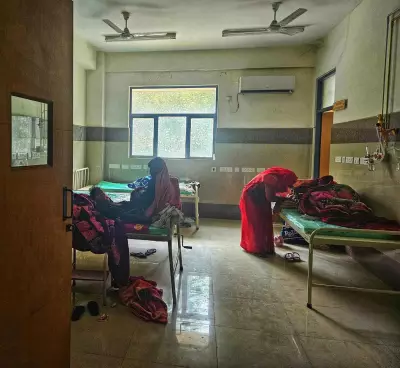
Summer in India is becoming increasingly difficult to endure, with many regions experiencing either extreme heat or unusual temperature patterns. This has led to a rise in serious heat-related illnesses such as dehydration and heat exhaustion. The frequency of high-temperature events, where the mercury exceeds 40°C (104°F), is on the rise. Multiple factors contribute to the growing number of heat-related health issues across the country, underscoring the urgent need for educational programs and resources to inform the public about heat risks and mitigate the impact on vulnerable populations during the summer months.
The Dangers of Dehydration and Heat Stroke
Dehydration is a critical concern during extreme summer heat. The body loses moisture and sodium through perspiration, leading to reduced blood flow to the brain. Symptoms include weakness, confusion, dizziness, lightheadedness, and in severe cases, hypotension (dangerously low blood pressure) or acute renal failure. Prompt medical attention can reduce the risk of brain or organ damage, but without timely intervention, both heat stroke and dehydration can be fatal. Heatwaves are becoming longer and more intense, and warmer overnight temperatures prevent adequate recovery from daytime heat exposure, exacerbating the body's inability to cope with heat-related conditions.
Vulnerable Populations at Higher Risk
Certain groups are significantly more susceptible to heat-related injuries. These include elderly individuals, children, outdoor manual laborers, people with chronic conditions such as diabetes or heart disease, and those with poor hydration or nutrition status, as well as those who consume excessive sugar or caffeine. These populations require special attention and preventive measures.

Preventive Measures and Recommendations
The most effective way to avoid heat illnesses is to prevent risk factors. This involves consistent fluid intake before thirst sets in, ensuring hydration is maintained proactively. After physical exertion in hot weather, consuming coconut water or lemon juice can replenish lost electrolytes, alongside drinking ample water to rehydrate. These simple steps can significantly reduce the risk of heat-related health problems.
Supreet Singh, Founder & CEO of Psychocare Health Private Limited, emphasizes the importance of these preventive strategies.