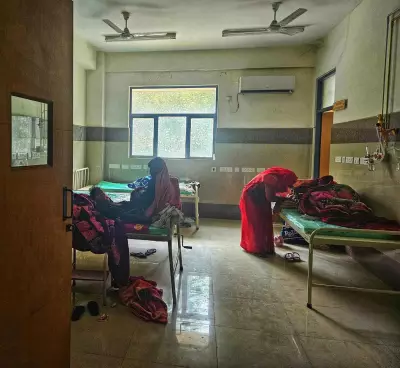
For Indians, food is far more than sustenance. It is a bowl of comforting dal-chawal, a celebratory biryani shared with loved ones, and a deep-rooted cultural pillar. Yet, this very source of nourishment and joy is now at the centre of a mounting national health emergency. The country is grappling with a rapidly escalating crisis of type 2 diabetes, a condition where the body fails to use insulin effectively, causing dangerous spikes in blood sugar.
The Stark Numbers: A Nationwide Health Transition
A pivotal national study conducted by the Indian Council of Medical Research (ICMR) has laid bare the alarming scale of the problem. The research estimates that more than 100 million Indians are currently living with diabetes. Perhaps even more concerning is that an even larger portion of the population is likely in the pre-diabetic stage, signalling a vast pool of future risk.
This health shift is no longer confined to urban metropolises. The ICMR data underscores a nationwide health transition, with smaller towns and rural regions now reporting consistently rising blood sugar levels and growing metabolic risk among their residents.

The Dietary Culprit: Nutrition Transition and Refined Grains
Evidence points squarely at profound changes in what Indians eat. Over recent decades, the country has undergone a rapid nutrition transition. Diets have increasingly shifted towards processed and refined staple foods like white rice and refined wheat (maida), while consumption of protective foods like vegetables, fruits, and dietary fiber has declined.
This dietary pattern has a direct metabolic impact. Supportive research indicates that diets rich in whole grains and higher fiber are linked to better insulin sensitivity compared to diets dominated by refined grains. A long-term observational study found that higher intake of whole grains was associated with improved insulin sensitivity and lower fasting insulin levels.
Meta-analyses and controlled trials further show that diets richer in whole grains can modestly reduce post-meal glucose spikes and improve markers of glycemic control. In essence, the repeated consumption of refined grains, which have a high glycemic impact, places a constant heavy demand on the body's insulin response system. Over years, this strain can cause the system to become less effective, paving the way for diabetes.
The Silent Metabolic Shift and a Call for Action
The health challenge is insidious because it develops quietly. The ICMR study highlights a rise in early metabolic risk markers—like elevated waist circumference, higher cholesterol, and glucose metabolism disruptions—often years before a diabetes diagnosis. Many Indians may be experiencing impaired glucose regulation without knowing it.
While diet is a central factor, it interacts with other widespread lifestyle changes. Lower physical activity levels and higher stress in modern communities further strain the body's ability to maintain healthy glucose levels. The convergence of these metabolic stressors creates a perfect storm for diabetes.
This national data presents a critical turning point. The path forward involves proactive awareness and action. Increasing intake of whole foods, vegetables, and high-fiber grains, combined with regular physical activity and stress management, can support more stable glucose regulation over time. Community-based education, accessible screening to identify at-risk individuals early, and creating environments that support active living are crucial steps to curb the future burden.
India's profound connection to food remains one of its greatest strengths. The task ahead is to preserve the joy of eating while adapting to modern health realities. By understanding this changing metabolic landscape and responding collectively, the nation can work to slow the rising tide of type 2 diabetes and safeguard the health of generations to come.