India's National Immunisation Programme Faces Funding Utilisation Challenges
Even as India commits substantial financial resources annually to child vaccination efforts, recent Right to Information (RTI) data has uncovered a troubling pattern: a significant portion of allocated funds remains unspent. This raises serious questions about the implementation efficiency of one of the country's largest and most critical public health initiatives—the National Immunisation Programme.
Financial Discrepancies in Vaccine Funding
The National Immunisation Programme, which provides free vaccines to protect children against multiple life-threatening diseases including polio, measles, and hepatitis B, has seen its budgetary allocations increase steadily. For the financial year 2025-26, the approved allocation has risen to over Rs 3,400 crore. However, spending has consistently failed to keep pace with these growing budgets.
Detailed financial monitoring reports submitted by states and union territories reveal a stark picture:

- In 2023-24, approximately Rs 2,250 crore was utilised against an approved budget of Rs 3,232 crore.
- In 2024-25, expenditure dropped further to around Rs 1,971 crore against the sanctioned amount of Rs 3,186 crore.
- For the current financial year 2025-26, provisional data up to December shows only about Rs 1,060 crore spent out of the Rs 3,434 crore approved.
Programme Performance Amid Funding Gaps
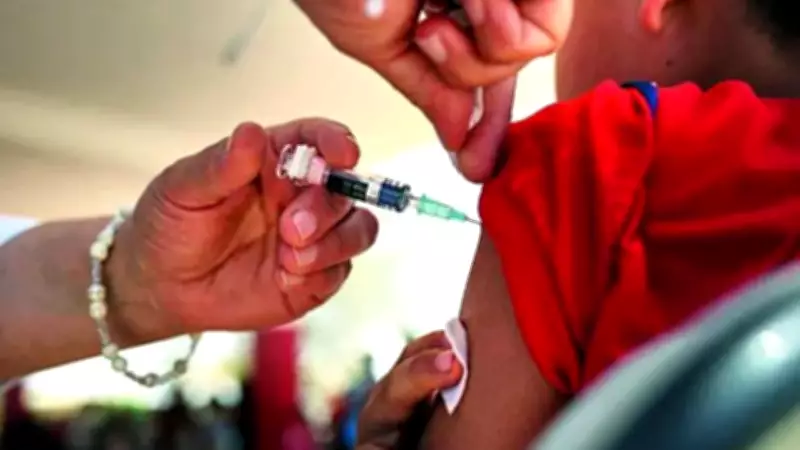
Despite these financial shortfalls, the National Immunisation Programme continues to operate at an impressive scale. Government data indicates that between 2021-22 and 2024-25, approximately 2.3 crore to 2.5 crore children received vaccinations annually. Full immunisation coverage has shown notable improvement, rising from 88.2% in 2021-22 to 98.1% in 2024-25, though it experienced a slight dip in 2023-24.
Expert Calls for Transparency and Expansion
RTI activist Amit Gupta has emphasised the vital importance of the immunisation programme for protecting India's children. He advocates for more efficient and transparent use of allocated funds, stressing the need for stronger accountability mechanisms. Gupta has also urged the government to expand vaccine coverage to include protection against influenza, typhoid, and hepatitis, arguing that these vaccines are now essential for comprehensive child health protection.
Data System Deficiencies Revealed
The RTI response has additionally highlighted concerning gaps in data management systems. Notably, gender-wise vaccination figures were not provided and were instead referred to another division, indicating fragmented record-keeping practices that could hinder programme monitoring and evaluation.
Vaccine Supply Chain Infrastructure
India's immunisation programme relies on a robust network of public and private vaccine manufacturers, including prominent companies such as Serum Institute of India, Bharat Biotech, Biological E, and Indian Immunologicals. This diverse supply chain supports the programme's extensive reach across the country.
The persistent gap between allocated funds and actual expenditure underscores the need for improved financial management and implementation strategies within India's flagship child vaccination initiative, even as coverage rates demonstrate significant progress.