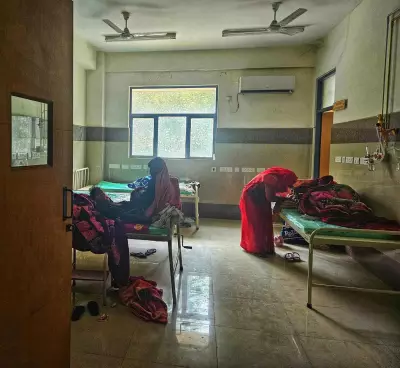
The Critical Need for Adult Vaccination in India
Many adults mistakenly believe vaccines are exclusively for children, overlooking their vital role in maintaining lifelong health. This misconception poses a significant public health risk, especially as natural immunity declines with age. Infectious diseases expert Dr. V. Ramasubramanian from Apollo Hospitals in Chennai emphasizes that vaccines act as essential boosters for the immune system, recharging defenses that weaken over time.
Understanding Immunosenescence: The Aging Immune System
The human immune system develops gradually from birth, maturing over the first 15 to 20 years of life. This explains why children frequently encounter infections as their bodies learn to combat pathogens. However, as people age, a process called immunosenescence occurs, where the immune system becomes less effective, akin to rusty defenses. This decline makes adults more vulnerable to infections, cancers, and other health threats.
Vaccines serve as a crucial recharge for these fading immune responses. Additionally, many childhood vaccines require booster shots in adulthood. For instance, tetanus vaccinations should be administered every ten years, while pneumococcal vaccines are recommended for adults over 50 or those with conditions like diabetes, hypertension, or heart disease. Annual flu shots are also essential, particularly for individuals in crowded office environments, as immunity wanes within 6 to 12 months and new strains emerge regularly.

Adult Vaccine Schedules and Customization
Just as children follow immunization schedules, adults have guidelines established by major health bodies in the US, UK, and other developed nations. These schedules are tailored by age group and include routine vaccinations such as annual flu shots and tetanus-diphtheria boosters every decade. The HPV vaccine is advised up to age 45, and shingles vaccination starts at 50.
Doctors can further customize vaccine recommendations based on occupation, lifestyle, or health issues. For example, laboratory workers exposed to meningococcus need targeted protection, while travelers may require vaccines for yellow fever, typhoid, hepatitis A, or Japanese encephalitis depending on their destination.
Alarmingly Low Vaccination Rates in India
India faces a severe crisis with adult vaccination rates hovering below 5% for most vaccines. Specific statistics reveal hepatitis B coverage at only 1.5%, annual flu vaccination under 0.5%, pneumococcal at 0.8%, and typhoid conjugate around 1%. This gap stems primarily from poor awareness, as many people underestimate the mortality and hospitalization risks associated with preventable infections.
The COVID-19 pandemic temporarily shifted attitudes, with fear driving vaccination uptake as people witnessed infections, emergency room visits, and fatalities firsthand. However, most diseases remain under-tested, underdiagnosed, and under-reported in India. Outdated diagnostic methods, such as the Widal test for typhoid, persist despite modern guidelines rejecting them. Furthermore, vaccines are not adequately covered in Indian medical curricula or doctor guidelines, unlike in Western countries.
Psychological Biases and Vaccine Hesitancy
Several biases contribute to low vaccination rates. Optimism bias leads individuals to believe they are less likely to fall ill or experience adverse reactions, reducing their perceived need for vaccines. Confirmation bias causes people to focus on rare side-effect stories while ignoring data on benefits and disease risks. Social media exacerbates this by amplifying fears, leading to cognitive dissonance where individuals reject vaccine information in favor of beliefs like "natural immunity is best."
Breakthrough infections, where vaccinated adults still contract diseases, further fuel hesitancy. It is crucial to understand that no vaccine offers 100% protection. For example, a 90% efficacy rate means a 90% reduction in severity, hospitalization, and death across the population, not complete immunity for 90 out of 100 people. COVID-19 vaccines demonstrated this by significantly lowering complications and fatalities among the vaccinated.

Cost Barriers and the Call for Policy Reform
High costs present a major obstacle to adult vaccination in India. A single dose of the shingles vaccine can cost Rs 10,000, with a family spending at least Rs 40,000 to fully vaccinate two individuals. Medical associations have urged insurance companies to reduce premiums for vaccinated adults, but a comprehensive national policy is urgently needed.
The Indian Council of Medical Research (ICMR) plans a pilot program for flu and pneumococcal vaccinations in individuals over 65 in select regions to demonstrate cost savings. Positive results could lead to a government rollout of adult vaccines. Until then, experts advise getting vaccinated if affordable or if a doctor identifies specific risks.
Vaccine Efficacy in Adults Versus Children
Vaccines work similarly in adults and children, though immune responses may vary with age and comorbidities. For instance, chickenpox is typically milder in children, but vaccination can prevent shingles later in life. Hepatitis A often causes mild symptoms in kids but carries a high risk of fatal liver failure in adults. Vaccination dramatically reduces severe outcomes in adults, just as it protects children from full-blown illnesses.
In summary, adult vaccination is a critical yet neglected aspect of public health in India. Addressing awareness gaps, biases, and financial barriers through a strong health policy is essential to safeguard the population against preventable diseases.