India Ramps Up Health Surveillance After Nipah Virus Cases Detected in West Bengal
India has significantly strengthened precautionary health surveillance measures for the Nipah virus following the confirmation of two cases in West Bengal. Health authorities have emphasized that the situation remains contained and under close monitoring, with no current evidence suggesting wider community transmission at this stage.
Current Situation and Official Response
According to the Indian Ministry of Health & Family Welfare and the National Centre for Disease Control (NCDC), only two confirmed Nipah virus infections have been reported in West Bengal since December 2025. Health teams have successfully traced, monitored, and tested a total of 196 contacts linked to these cases, all of whom were found to be asymptomatic.
Dr. Narender Kumar, President of AIIMS Bilaspur, has reassured the public that the situation remains under control. He explained that Nipah virus does not spread easily and typically requires close contact with infected bodily fluids. Dr. Kumar highlighted that early detection, isolation, and rigorous contact tracing have proven effective in preventing transmission, emphasizing there is no cause for public alarm.

Understanding the Nipah Virus Threat
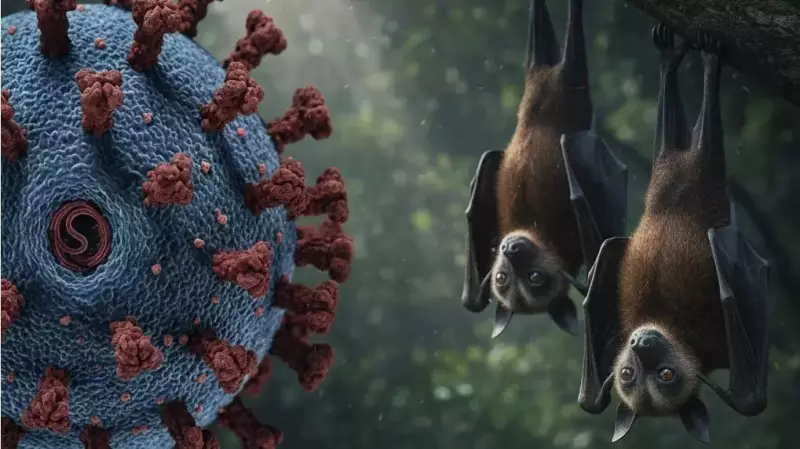
The Nipah virus (NiV) is classified as a zoonotic pathogen, meaning it primarily circulates in animals before potentially jumping to humans. Fruit bats, commonly known as flying foxes, serve as the natural reservoir for this virus. Human infection can occur through several pathways:
- Consuming fruit contaminated by bat saliva or urine
- Drinking raw date palm sap
- Close contact with infected pigs or other humans
What makes Nipah particularly concerning is its aggressive clinical presentation. Unlike typical influenza, the virus can cause a spectrum of severe conditions:
- Initial Symptoms: Often begins with flu-like manifestations including fever, headache, muscle pain, and vomiting
- Respiratory Complications: Frequently progresses to acute respiratory infection, causing breathing difficulties
- Neurological Crisis: In severe cases, can lead to encephalitis (brain inflammation), resulting in drowsiness, disorientation, and potentially coma within 24 to 48 hours
Currently, there exists no specific vaccine or cure for Nipah virus infection. Treatment is limited to supportive care focused on managing symptoms. This therapeutic gap has prompted the World Health Organization (WHO) to designate Nipah as a priority pathogen, with high mortality rates making early detection and strict containment measures our most effective defense.
International Vigilance and Response
The confirmation of isolated cases in India has prompted heightened vigilance across Asian nations, with several countries reviewing passenger screening procedures as precautionary public health measures.
Within India, health authorities have strengthened screening protocols at international departure points to identify symptomatic travelers before boarding. International health agencies continue to monitor the situation closely, confirming that surveillance and contact tracing efforts are effectively preventing wider spread. Officials globally emphasize the importance of vigilance rather than alarm in response to these developments.
Regional Impact and Preventive Measures
While there have been no confirmed Nipah virus cases in the UAE, health authorities have activated standard monitoring protocols in coordination with major airports as a precautionary measure. The UAE Ministry of Health and Prevention (MoHAP) is collaborating with aviation authorities to screen travelers arriving from regions reporting cases for symptoms including fever, respiratory distress, or neurological signs.
Medical experts note that Nipah virus does not transmit as easily as respiratory viruses like COVID-19, typically requiring prolonged close contact. Therefore, preventive screening represents a precaution rather than a response to detected spread.
Public Health Recommendations
For the general public, health authorities recommend:

- Staying informed through official channels
- Practicing good hygiene consistently
- Monitoring health for up to 14 days after travel from affected regions
- Seeking immediate medical attention if symptoms like fever, headache, or breathing difficulties develop
Health officials stress that early detection and transparent communication remain the most effective safeguards against potential transmission. With proper surveillance and public cooperation, the risk of local transmission remains extremely low.