

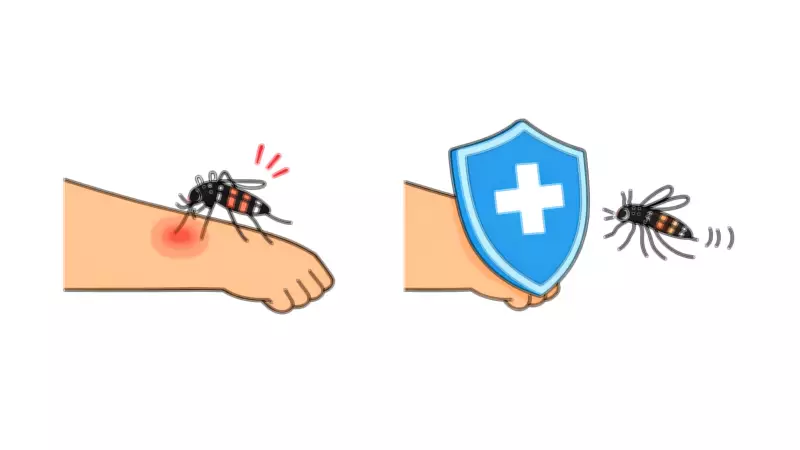
India Grants Approval for Its First Dengue Vaccine
In a landmark decision for public health, India has officially approved its first-ever dengue vaccine, signaling a major step forward in the fight against this widespread mosquito-borne illness. This approval comes after extensive research and clinical trials, aiming to address the significant health burden posed by dengue across the country.
Understanding the Dengue Vaccine and Its Mechanism
The newly approved dengue vaccine is designed to stimulate the immune system to produce antibodies against the dengue virus. Dengue is caused by four distinct serotypes of the virus, and the vaccine targets these to provide broad protection. By introducing a weakened or inactivated form of the virus, the vaccine trains the body to recognize and combat future infections, potentially reducing the severity and incidence of dengue cases.
Potential Impact on Public Health in India
Dengue is a major public health concern in India, with thousands of cases reported annually, particularly during monsoon seasons. The approval of this vaccine could lead to a substantial decrease in dengue-related hospitalizations and deaths. Health authorities anticipate that widespread vaccination, especially in high-risk areas, will help control outbreaks and alleviate the strain on healthcare systems.

- Reduction in the risk of severe dengue symptoms, such as hemorrhagic fever.
- Lower transmission rates in communities through herd immunity.
- Decreased economic burden from medical costs and lost productivity.
Challenges and Considerations for Implementation
While the vaccine approval is a positive development, several challenges remain. Ensuring equitable access across diverse populations, including rural and underserved regions, will be crucial. Additionally, public awareness campaigns are needed to educate people about the vaccine's efficacy and safety. Health officials must also monitor for any potential side effects and adapt strategies based on real-world data.
Experts emphasize that the vaccine should complement existing preventive measures, such as mosquito control and public hygiene practices, for optimal protection.Future Outlook and Global Context
India's approval of its first dengue vaccine aligns with global efforts to combat vector-borne diseases. Other countries have also developed or are testing similar vaccines, and India's move could inspire further innovations in this field. Ongoing research will focus on improving vaccine formulations and expanding coverage to protect more individuals against dengue.
This development marks a hopeful chapter in India's public health journey, offering new tools to safeguard communities from dengue and enhance overall well-being.






