

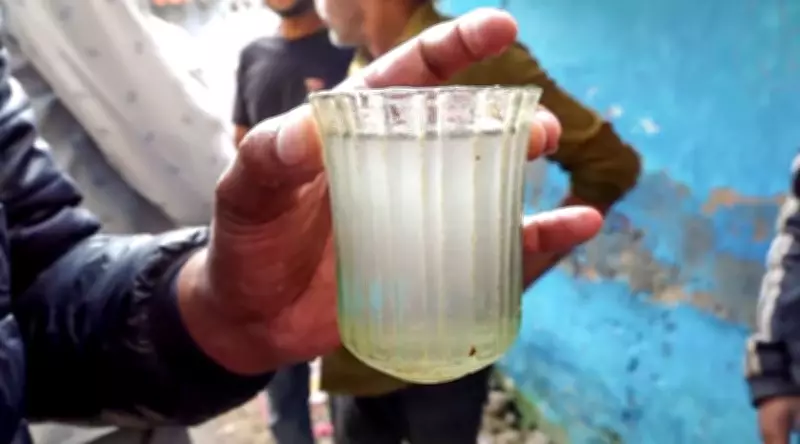
Government Data Exposes Severe Water Contamination in Haryana and Punjab
Recent data presented in Parliament has unveiled alarming levels of contamination in drinking water samples from Haryana and Punjab over the past five years. The findings, shared by the Ministry of Jal Shakti, highlight significant public health concerns, with bacteriological and chemical pollutants posing serious risks to residents.
Detailed Contamination Statistics from Key States
In Haryana, a total of 3,35,334 water samples were tested during this period. Out of these, 20,334 samples were found to be bacteriologically contaminated, while 5,691 showed chemical contamination. The situation has worsened over time, with bacteriological contamination peaking in 2022-23 at 12,657 samples out of 82,725 tested.
Punjab tested 2,05,053 samples, where chemical contamination emerged as a major issue, affecting 5,109 samples. Bacteriological contamination was lower but still present, with 389 samples affected. The state has increased its surveillance efforts, with sample numbers rising from 14,930 in 2021-22 to 67,481 in 2024-25.

Himachal Pradesh, which tested the highest number of samples among Indian states at 11,78,436, reported relatively low contamination levels, with only 110 chemically contaminated and 163 bacteriologically contaminated samples.
Health Risks and National Context
Bacteriological contamination, which includes pathogens causing diseases like diarrhoea, typhoid, and cholera, is most dangerous during monsoon seasons and in areas with aging or leaking pipelines. Chemical contamination involves excess fluoride, arsenic, nitrates, and heavy metals, primarily affecting groundwater-dependent regions.
Nationally, the problem is significant. Out of 3,27,52,723 samples tested over five years, 14,51,009 showed chemical contamination and 11,74,266 were bacteriologically contaminated, resulting in an overall contamination rate exceeding 8%. Kerala recorded the highest bacteriological contamination, while West Bengal topped the chart for chemical contamination.
Government Response and Initiatives
The government emphasizes that drinking water management is a state responsibility, with states handling planning, implementation, and corrective actions. Under the Jal Jeevan Mission, states can allocate up to 2% of their annual funds for water quality monitoring and surveillance.
In December 2024, a Concise Handbook for Monitoring Water Quality of Piped Drinking Water Supply to Rural Households was released. Additionally, periodic advisories are issued to states to ensure their drinking water testing laboratories maintain accreditation and adhere to quality standards.
This data was presented in the Rajya Sabha in response to a question by AAP member Raghav Chadha, underscoring the urgent need for improved water safety measures across affected regions.






