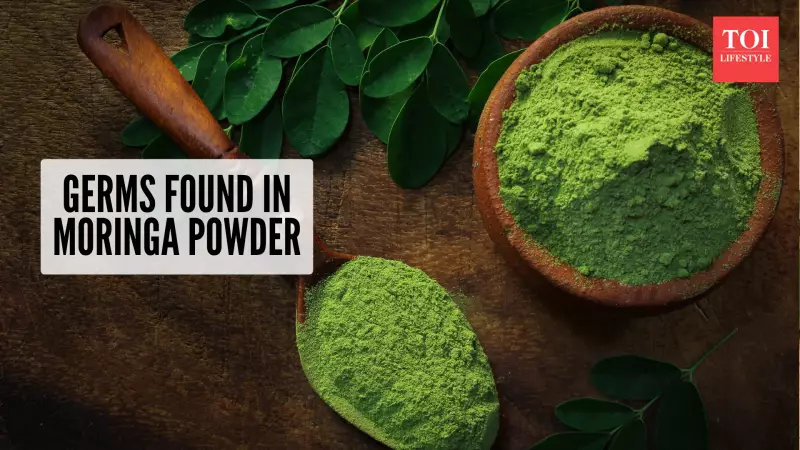
Moringa leaf powder, celebrated globally as a potent natural supplement, is facing a serious safety scrutiny. Recent investigations by major US health bodies have uncovered a dangerous side to this popular health product, linking it to harmful bacterial contamination.
Pathogens Discovered in Moringa Products
Authorities from the Centers for Disease Control and Prevention (CDC) and the Food and Drug Administration (FDA) have identified several concerning contaminants in specific batches of moringa leaf powder. The primary culprit is Salmonella Richmond, a bacteria known to cause severe food poisoning. Beyond Salmonella, health experts warn that poor handling during production can allow other dangerous microbes like E. coli and parasites to survive in the dried product.
These pathogens typically originate from contaminated water, soil, or unhygienic processing facilities. A critical point noted by investigators is that the standard drying process for the leaves does not guarantee the elimination of these germs, especially if manufacturing safety protocols are inadequate.

Outbreak Timeline and Impact
The alarm was raised following a distinct outbreak between May 12 and September 4, 2025. During this period, 11 individuals across seven US states fell ill after consuming products containing moringa leaf powder. Of those affected, three people required hospitalisation. While no deaths were reported, public health officials suspect the actual number of cases is higher, as many mild instances often go unreported.
Epidemiological evidence pointed strongly towards powdered dietary supplements as the common source for the infected individuals.
How These Contaminants Affect Your Body
Consuming Salmonella-contaminated food leads to an infection focused on the gastrointestinal tract. Symptoms, which include diarrhoea, fever, stomach cramps, and vomiting, can manifest anywhere from six hours to six days after ingestion. While healthy adults may recover, the infection can be severe for vulnerable groups.
For children, the elderly, and immunocompromised individuals, Salmonella can invade the bloodstream, becoming life-threatening. Even after recovery, fatigue can persist for weeks.
The risks from E. coli and parasites, though less highlighted, are significant. Certain E. coli strains cause intense abdominal pain and diarrhoea, sometimes leading to kidney damage in children. Parasites can lie dormant in dried products, causing prolonged digestive distress, unexplained weight loss, and nutrient malabsorption, with symptoms that are slow to appear and difficult to trace.
Why Powdered Supplements Are High-Risk
The very form of moringa powder increases its vulnerability. The fine powder has a vast surface area, allowing any present bacteria to distribute throughout the entire batch. Furthermore, common consumption habits add to the risk. Many users blend the powder into smoothies or juices or stir it into water without cooking it. This bypasses a crucial heat-treatment step that could potentially kill harmful bacteria.
Staying Safe: Advice for Consumers
This situation underscores a vital lesson: 'natural' does not automatically equate to 'safe.' Plant-based powders demand the same safety considerations as any other food item. Consumers are advised to purchase products only from reputable brands with stringent quality controls. It is prudent to stay updated on FDA recall notices, especially during known outbreaks.
Avoid consuming the powder raw if there are any safety advisories. Most importantly, seek immediate medical attention if symptoms like high fever, severe diarrhoea, or persistent vomiting occur after using such supplements. Early intervention is key to preventing serious complications.
Disclaimer: This report is intended for informational purposes to raise public awareness. It is not a substitute for professional medical advice, diagnosis, or treatment. Anyone experiencing adverse health effects after consuming dietary supplements should promptly consult a qualified healthcare practitioner.