Haryana Unveils Comprehensive TB Elimination Strategy with Focus on Dignity and Recovery
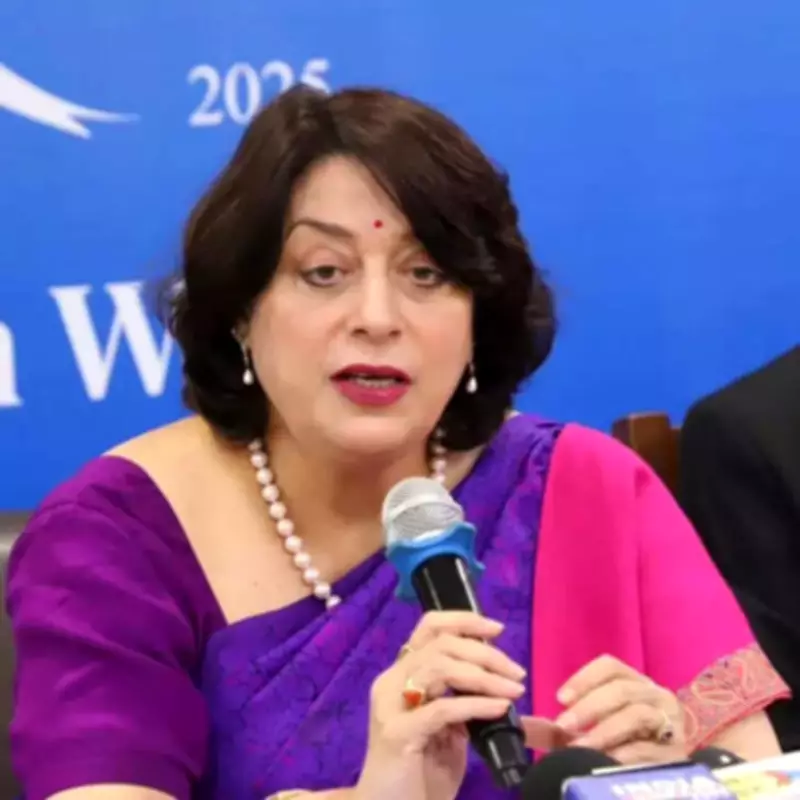
The Health and Family Welfare Department of Haryana has launched a groundbreaking series of patient-centric initiatives under the National TB Elimination Programme (NTEP), moving beyond traditional medical treatment to provide holistic, dignified care for tuberculosis patients. Additional Chief Secretary Sumita Misra officially announced these innovative measures on Wednesday, marking a significant shift toward addressing the social and economic dimensions of TB recovery.
Beyond Medicine: Sewing Machines, Digital Platforms and Celebrity Campaigns
The newly unveiled initiatives represent a multi-faceted approach to tuberculosis elimination. A first-of-its-kind Sewing Machine Centre has been established specifically to help TB survivors regain financial independence and rebuild their lives after treatment. The first trained beneficiary is scheduled to receive her machine imminently, symbolizing the state's commitment to sustainable recovery.
Simultaneously, the department is launching a dedicated State TB Cell website that will provide real-time public access to TB services across Haryana, enhancing transparency and accessibility. This digital initiative will be complemented by the integration of SNA Sparsh with the national Nikshay digital platform, creating a more cohesive patient management system.

Looking ahead, the department plans an upcoming celebrity-led awareness campaign to further destigmatize tuberculosis and promote early detection. Additionally, a new clinical guidance document has been developed with the specific aim of reducing TB mortality through improved treatment protocols.
Impressive Performance Metrics Demonstrate Progress
Haryana's tuberculosis control efforts have yielded substantial results according to data from January to December 2025. The state conducted an impressive 12,52,537 sputum tests against a target of 9,75,000, achieving 3,848 tests per lakh population. This represents a significant testing expansion that supports early detection and intervention.
A total of 88,689 TB cases were notified during this period, reaching 98% of the annual target. Particularly noteworthy was the private sector's performance, which exceeded expectations with 105% achievement, reflecting effective public-private coordination in disease surveillance and management.
Treatment Success and Infrastructure Expansion
Treatment outcomes remain highly encouraging, with 74,483 patients successfully treated in 2024 alone, achieving a 90% treatment success rate. Comprehensive care integration is evident in the 98% HIV testing coverage and 96% diabetes screening among TB patients, ensuring proper management of co-morbid conditions.
The state has also made quality diagnostics a priority, offering universal drug susceptibility testing to 90% of microbiologically confirmed cases. This commitment to precision medicine strengthens the overall quality of TB care throughout Haryana.
Infrastructure continues to expand significantly with 23 District TB Centres, 168 TB Units and 452 Microscopy Centres now operational across the state. These facilities are supported by advanced diagnostic equipment including 45 CBNAAT machines, 53 Truenat machines, and 2 Culture and Drug Susceptibility Testing laboratories located at Karnal and PGIMS Rohtak.
Community Engagement and National Recognition
Under the TB Mukt Bharat Abhiyan (Nikshay Shivir), Haryana has mapped over 34 lakh vulnerable individuals and screened more than 10 lakh people from high-risk populations. The Nikshay Mitra initiative has provided crucial nutritional and social support to thousands of patients, with over 2.64 lakh food baskets distributed since September 2022.
The state's efforts have received national recognition, with Haryana's Nikshay Mitra initiative being specially appreciated on World TB Day 2025. Furthermore, the state achieved 1,855 TB Mukt Panchayats in 2024, demonstrating significant progress toward community-level tuberculosis elimination.
These comprehensive initiatives reflect Haryana's commitment to not just treating tuberculosis but ensuring dignified, sustainable recovery for every affected individual through medical, social and economic support systems.