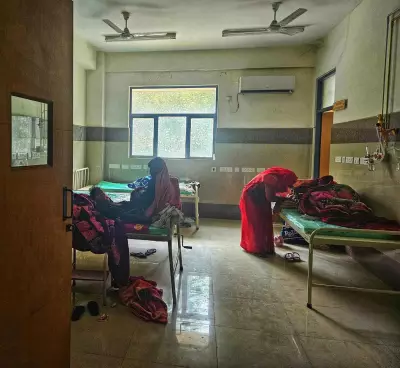
A recent outbreak of typhoid fever in Gandhinagar, Gujarat, resulting in over 100 hospitalizations, has starkly reminded the nation of a persistent public health adversary. This incident underscores how rapidly the water and sanitation-borne disease can spread, particularly in areas with inadequate infrastructure. Typhoid remains a significant challenge in India, with outbreaks peaking during and after the monsoon season, though cases occur year-round.
Understanding the Typhoid Threat
Typhoid fever is a severe systemic infection caused by the bacterium Salmonella enterica serotype Typhi (S. Typhi). It is an enteric fever that primarily attacks the intestinal system and bloodstream, leading to high fever, abdominal pain, and profound weakness. India bears a substantial burden of this disease, reporting an estimated 4.7 to 4.8 million cases and numerous deaths annually. While children and young adults are most frequently affected, anyone living in or visiting regions with poor sanitation and unsafe water is at risk.
The situation is further complicated by the rise of drug-resistant bacteria. Misdiagnosis or the use of ineffective antibiotics against resistant strains can make treatment dangerous and complex.

Root Causes of Recurring Outbreaks
The primary transmission route is the ingestion of food or water contaminated with feces from an infected person. Several interconnected factors create a perfect storm for outbreaks in India:
- Unsafe Water Supply: Contamination of water sources—including open wells, hand pumps, and piped systems—by sewage, especially during floods or heavy rains.
- Inadequate Sanitation: Practices like open defecation, coupled with overflowing drains and faulty sewage infrastructure, facilitate the rapid spread of bacteria.
- Food Hygiene Lapses: Unhygienic handling of street food, raw vegetables, and popular drinks like lassi and sugarcane juice poses significant contamination risks.
- Carriers: Some individuals recover from typhoid but continue to carry and shed the bacteria from their gallbladder, unknowingly spreading the infection.
- Antibiotic Resistance: S. Typhi strains in India have shown resistance to crucial antibiotics like ampicillin, chloramphenicol, cotrimoxazole (Multidrug-Resistant or MDR typhoid), and ciprofloxacin, narrowing treatment options.
Recognizing Symptoms and Seeking Diagnosis
Symptoms typically appear 1-3 weeks after exposure and range from mild to life-threatening. Initial signs often mimic severe flu:
- High fever that gradually increases over days (often reaching 103–104°F or 39–40°C).
- Headache, weakness, and fatigue.
- Stomach pain, loss of appetite, nausea, and sometimes vomiting.
- Dry cough and a slow heart rate despite high fever.
As the disease progresses, more severe symptoms can develop, including rose-colored spots on the chest/abdomen, severe abdominal distension, confusion, delirium, and in critical cases, intestinal bleeding or perforation—a medical emergency. If a high fever persists for more than 3-4 days with abdominal pain and no typical cold symptoms, typhoid should be suspected and tested for immediately.
Diagnosis relies on clinical evaluation, travel history, and lab tests. The gold standard is a blood culture, especially in the first week of fever. Bone marrow culture is more sensitive but invasive. Stool and urine cultures can be useful later. While the Widal test is common, it can yield false results and should not be the sole basis for diagnosis. Rapid tests and PCR are faster but not universally available, leading doctors in high-burden areas to often start treatment based on clinical assessment.
Treatment and Management Protocols
Treatment depends on disease severity and local antibiotic resistance patterns. Mild cases may be managed at home, but hospitalization is crucial for patients with high fever, confusion, or signs of complications.
Current treatment strategies in India involve:

- Third-generation cephalosporins (e.g., Ceftriaxone, Cefixime) as first-line drugs for MDR or resistant cases.
- Azithromycin for uncomplicated typhoid.
- Carbapenems reserved for critical, highly drug-resistant infections in hospital settings.
Key aspects of patient care include:
- Completing the full course of antibiotics, even after fever subsides.
- Preventing dehydration with ample fluids—oral rehydration solution, buttermilk, coconut water.
- Eating a soft, easily digestible diet (khichdi, boiled rice, curd, bananas) while avoiding spicy, oily, or raw foods.
- Adequate rest and avoiding work/school until fully recovered and medically cleared.
The Gandhinagar outbreak is a potent reminder that typhoid fever continues to be a formidable public health challenge in India. Combating it requires a sustained, multi-pronged approach focusing on improving water and sanitation infrastructure, ensuring food safety, promoting vaccination, and advancing diagnostic and treatment protocols to tackle antibiotic resistance.