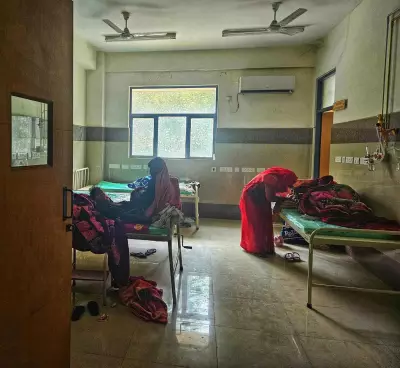
Ghaziabad Tragedy: A Wake-Up Call on Youth Mental Health and Parental Awareness
The recent heart-wrenching suicide pact involving two sisters in Ghaziabad has sent shockwaves across India, casting a harsh spotlight on the often-overlooked mental health struggles faced by young people. This tragic incident serves as a stark reminder that it is not okay to dismiss or ignore the emotional turmoil that can afflict adolescents and young adults, even in seemingly stable environments.
The Incident and Its Broader Implications
In Ghaziabad, two sisters made a pact to end their lives together, a decision that has left the community reeling and sparked urgent conversations about mental well-being. Preliminary reports suggest underlying issues such as academic pressure, social isolation, or familial expectations may have contributed to their despair, though investigations are ongoing. This event underscores a critical gap in how mental health is perceived and addressed in many Indian households, where stigma and lack of awareness often prevent open discussions.
Lessons for Young Indians: Recognizing and Seeking Help
For young Indians, this tragedy emphasizes the importance of recognizing signs of mental distress in themselves and their peers. It is crucial to understand that feeling overwhelmed, anxious, or hopeless is not a sign of weakness but a call for support. Key lessons include:

- Acknowledge Emotions: Do not bottle up feelings; talking to friends, teachers, or counselors can provide relief.
- Seek Professional Help: Therapists and helplines are available and can offer effective coping strategies.
- Build Resilience: Engage in activities like hobbies, exercise, or mindfulness to manage stress.
Ignoring these aspects can lead to severe consequences, as seen in Ghaziabad, where silence may have fueled the sisters' decision.
Lessons for Parents: Enhancing Awareness and Support
For parents, especially those less aware of mental health nuances, this incident is a poignant lesson in vigilance and empathy. Many Indian parents focus on academic and career success, sometimes neglecting emotional well-being. To prevent such tragedies, parents should:
- Foster Open Communication: Create a safe space for children to express fears and frustrations without judgment.
- Educate Themselves: Learn about common mental health issues like depression and anxiety to recognize warning signs early.
- Prioritize Mental Health: Treat emotional health with the same importance as physical health, seeking professional help when needed.
By being proactive, parents can help dismantle the stigma and provide the support their children desperately need.
Moving Forward: A Collective Responsibility
The Ghaziabad sisters' suicide pact is not just an isolated event but a symptom of a larger societal issue. It calls for a collective effort from families, schools, and communities to prioritize mental health education and resources. Initiatives like counseling programs in schools, public awareness campaigns, and accessible mental health services can make a significant difference. As India grapples with rising mental health challenges among youth, this tragedy should catalyze change, ensuring that no young life is lost to despair. Let this be a lesson that it is never okay to suffer in silence—awareness, empathy, and action are key to saving lives.