

Saudi Dates Challenge Iranian Dominance in South India's Ramadan Market
This Ramadan, the South Indian dates market is experiencing a notable transformation, with Saudi varieties such as Sukkari and Safawi gradually surpassing the long-reigning Iranian Bam and Mazafati dates. This shift is primarily fueled by escalating prices and inconsistent supplies from Iran, coupled with the competitive entry of Saudi dates into the wholesale sector.
Price Dynamics and Supply Constraints Reshape Consumer Choices
Historically, Iranian Bam dates, often sold under the Kimia brand, have been the most affordable and popular option across states like Kerala, Karnataka, Andhra Pradesh, Telangana, and Tamil Nadu. Typically priced between Rs 300 and Rs 330 per kilogram, they offered an economical choice for consumers. However, this season has seen a price increase, narrowing the gap with premium Saudi alternatives.
Mohammed Mukthar, Partner at Reem Traders in Mangaluru, highlighted the situation, noting, "One of the fastest-selling products in India was always Mazafati and Bam dates from south-eastern Iran. But this year, there is a slight shortage." This scarcity has been exacerbated by delayed shipments from Iran and heightened freight costs, with the fresh crop arriving later than usual between December and January, just before Ramadan began on February 18.

Saudi Dates Enter the Fray with Competitive Pricing and Appeal
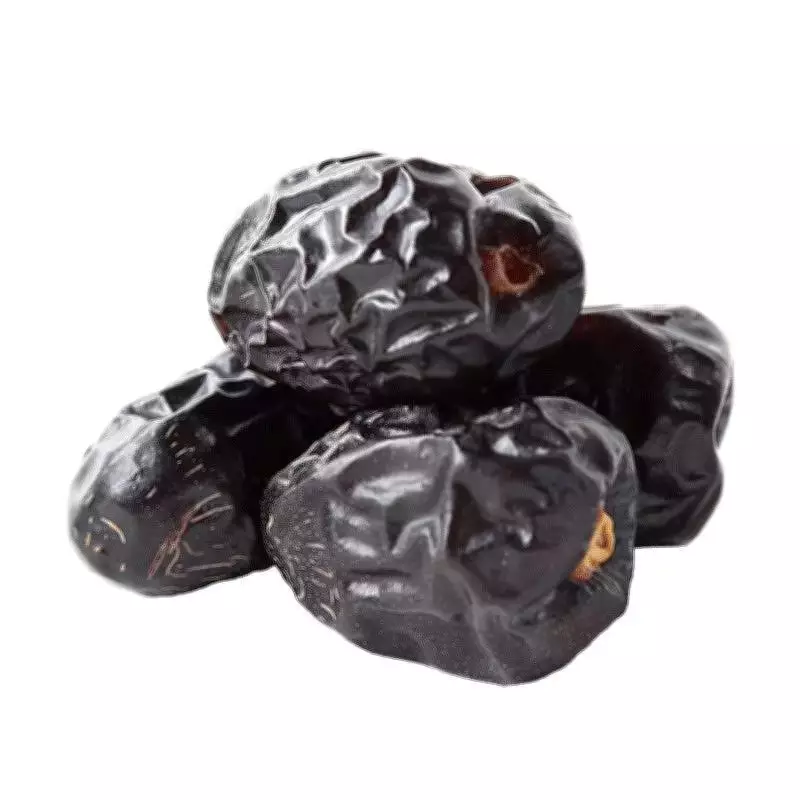
In response, Saudi dates have made a strategic entry into the market. Sukkari dates are now available at around Rs 300 per kilogram, while Safawi, a premium dark-black semi-soft variety cultivated in and around Madina, is priced at approximately Rs 350 per kilogram. Mukthar explained, "Sukkari dates are moist, soft, and naturally sweet. Safawi is gaining popularity due to its unique characteristics."
Meanwhile, Iranian Mazafati dates have also faced price volatility, with retailers now paying between Rs 250 and Rs 350 per kilogram, up from the previous range of Rs 200 to Rs 250. Despite remaining a consumer favorite for its juicy texture and intense sweetness, used extensively in desserts and beverages, the market is witnessing a tilt towards Saudi varieties.
Growing Demand and Market Expansion Driven by Health Trends
The shift is not solely price-driven; consumer preferences are evolving. Musthaq Bava, Partner at Sheen, a dates and dry fruit wholesaler, observed, "Today, dates are seen as a health and wellness product and a healthy substitute for sugary snacks. There is a growing demand for value-added products such as energy bars." This trend aligns with the broader health consciousness among buyers, further boosting the appeal of Saudi dates.
Supported by government subsidies and enhanced export infrastructure, Saudi Arabia is introducing other varieties like Mashrook, Mabroom, Medjoul, and Ajwa into the market. Mashrook, for instance, currently sells at Rs 260–270 per kilogram in wholesale. Mukthar added, "Consumers are now tilting towards Saudi varieties because of taste and affordability. Sales of Saudi dates have picked up significantly this Ramadan."
As the dates market continues to expand, this Ramadan season marks a pivotal moment where Saudi varieties are not just competing but gaining a foothold, reshaping South India's culinary and economic landscape.






