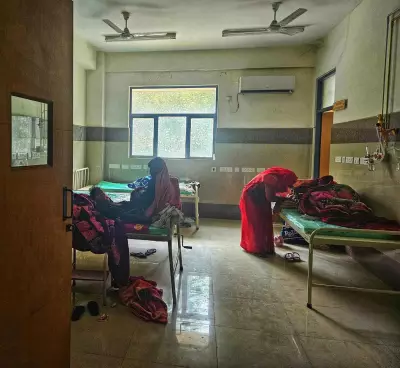
Ghaziabad district authorities sounded an alert on Saturday, issuing a formal cold wave advisory as a thick blanket of dense fog descended upon the National Capital Region (NCR). The sudden weather shift caused a sharp plunge in temperatures and severely hampered morning visibility, prompting immediate action from the administration.
Health Department Directs Hospitals to Ramp Up Winter Preparedness
The advisory, officially released by the district's health department, carries clear instructions for all medical facilities. It mandates both government and private hospitals and medical institutions across Ghaziabad to bolster their readiness. The primary objective is to ensure adequate facilities are in place to protect both patients and their attendants from the harsh winter conditions.
Officials confirmed that the directive was issued under the instructions of the District Magistrate of Ghaziabad. The move strategically aims to minimise cold-related illnesses, with special attention to vulnerable populations. This includes young children, the elderly, and individuals suffering from pre-existing respiratory conditions, who are at higher risk during such cold spells.

IMD Reports a 'Cold Day', Transport Disruptions Likely
According to the India Meteorological Department (IMD), the NCR officially experienced a cold day on Saturday. The minimum temperature was recorded hovering around 10 degrees Celsius. Weather conditions were characterized by dense to very dense fog across several parts of the region.
This intense fog layer is expected to cause significant disruptions to road, rail, and air transport services. Authorities have been prompted to remain on high alert as winter conditions continue to intensify over the coming days.
Specific Instructions for Hospital Wards and Care Units
The health department's advisory goes beyond a general warning, providing specific operational guidelines for hospitals. Key instructions include:
- Ensuring adequate arrangements of room heaters, warmers, and blankets in all wards.
- Guaranteeing the availability and proper functioning of warmers, air conditioners, and other temperature-regulating equipment in critical areas.
These critical areas specifically highlighted are:
- Paediatric wards
- Paediatric Intensive Care Units (PICUs)
- Neonatal Intensive Care Units (NICUs)
- Sick Newborn Care Units (SNCUs)
The directive underscores a proactive approach to safeguard the most sensitive patients from the adverse effects of the biting cold, ensuring healthcare services remain uninterrupted and effective throughout the winter season.