In a powerful grassroots movement to tackle the deep-rooted issue of alcohol addiction, women in multiple villages of Uttarakhand's Garhwal region have taken matters into their own hands. They have declared a complete prohibition on the sale and consumption of liquor within their communities, backed by substantial financial penalties and strict social sanctions.
Strict Penalties and Social Boycott Enforced
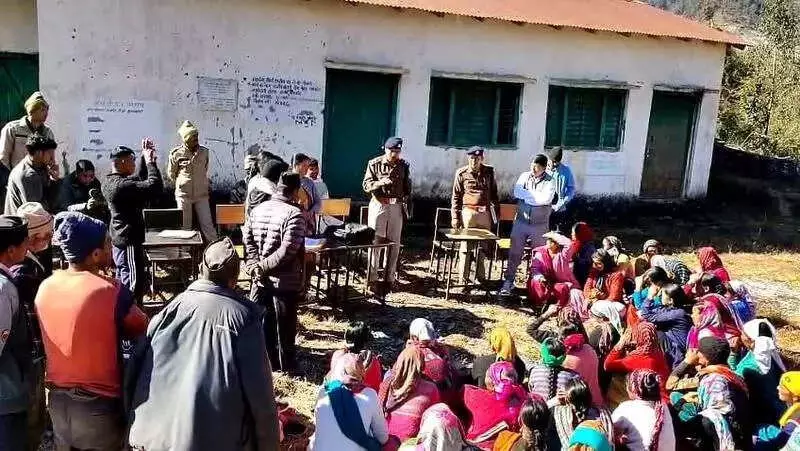
The decision, driven by local Mahila Mangal Dals (women's groups), has been implemented in villages including Himni, Balan Sawad, and Talaur in the Chamoli district. The rules are stringent: any family found selling or exchanging alcohol will face a fine of up to Rs 1 lakh and risk being socially boycotted by the entire village. Furthermore, serving alcohol at public events like weddings or festivals will now invite a penalty of up to Rs 50,000.
To ensure the ban's effectiveness, the village committees are also incentivizing vigilance. Informers who alert authorities about violations will be rewarded Rs 10,000 for each confirmed case. This multi-pronged approach aims to create a strong deterrent against the liquor trade and its consumption.

A Stand for Families and the Future Generation
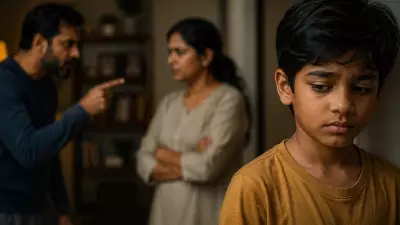
The women leading this charge cite the devastating impact of alcoholism on family life and the future of youth as their primary motivation. Seema Devi, 28, president of the Himni village Mahila Mangal Dal, stated that their goal is to create alcohol-free villages. "The impact of liquor addiction on families is severe," she explained, noting that the move has the full support of the local panchayats.
Echoing this concern, Neeta Devi, 32, the village head, highlighted the worrying trend among the younger generation. "Youth these days are over-involved in alcohol, and it is taking them nowhere. Under peer pressure and with easy access, they are slipping into habits that are difficult to quit," she said. She also linked the problem to changing economic patterns, where men engaged in daily-wage labour often spend their entire earnings on alcohol the same day, creating a vicious cycle of addiction and poverty.
Community Support and a Hope for Change
The ban has found support among some men in the community who recognize the destructive role of alcohol. Surender Ram, 34, a resident of Himni village, shared his personal experience with peer pressure. He admitted that alcohol had become an unnecessary display at every event, from birthdays to religious functions. "It is good to ban it. This step will help ensure a sane future for our children. We support it," he affirmed.
This collective action by the women of Garhwal represents a significant social intervention. It goes beyond government regulation, leveraging community ethics and peer pressure to address a public health and social crisis. The initiative underscores a growing determination to safeguard family welfare, economic stability, and the prospects of the next generation in the hill communities of Uttarakhand.