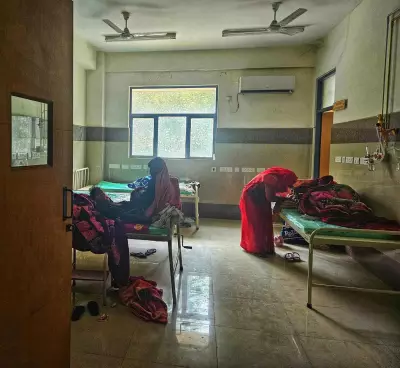
In a concerning first for Karnataka, health authorities have confirmed the detection of two HIV-positive cases among male students residing in a hostel attached to an educational institution in the state. The students, aged 21 and 22, were studying at the same institute, marking a significant alert for campus health protocols.
Sharp Rise in HIV Cases Among MSM Population
The discovery of these hostel-based cases coincides with a broader, worrying trend documented by the Karnataka State AIDS Prevention Society (KSAPS). Data reveals a consistent and sharp year-on-year increase in HIV-positive cases among men who have sex with men (MSM).
Between April and October of this year alone, 243 out of 56,416 MSM tested were found to be HIV-positive. This recent data point is part of a larger upward curve. In the 2024–25 period, KSAPS recorded 312 positive cases from this demographic, a notable jump from 211 cases in 2023–24. The numbers were 146 in 2022–23, 109 in 2021–22, and 71 in 2020–21.

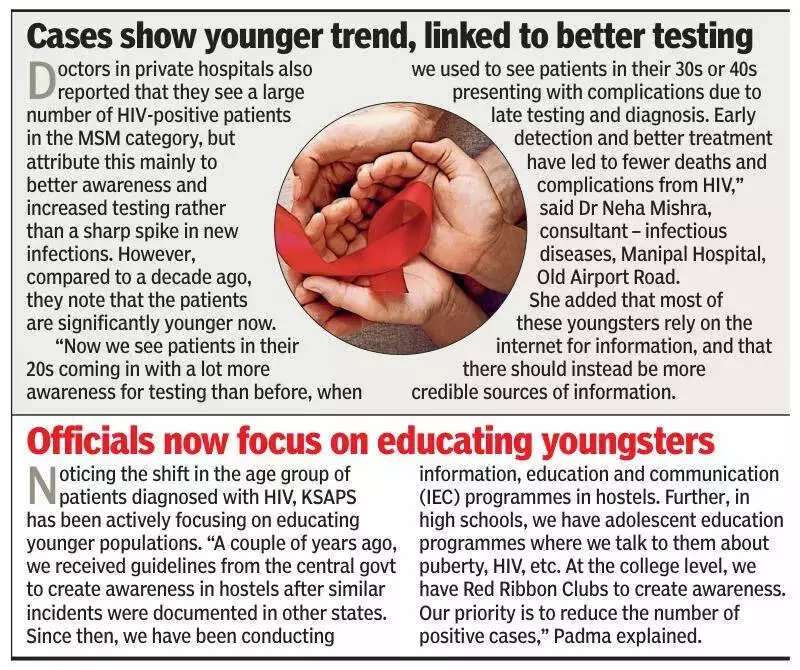
Officials note that the increase in detected cases is also linked to a major expansion in testing efforts. The total number of people tested for HIV in Karnataka rose from 42,066 in 2020–21 to 72,251 in 2024–25.
Online Apps and Counselling: A Double-Edged Sword?
KSAPS Project Director Padma Basavanthappa pointed to two primary factors behind the rising numbers among MSM: the prevalence of online dating apps and improved counselling services that encourage openness.
"Younger people especially use these apps and meet people, engage in sexual activities, and part ways," Basavanthappa explained. "They often have no way of knowing the other person's sexual history." The second reason, she highlighted, is the positive impact of increased counselling. "While there were many cases before where someone would not reveal that they were homosexual, the situation has changed now. With proper counselling... they are revealing their history," she stated.
This counselling is facilitated through a vast network of testing centres:
- 442 Standalone Integrated Counselling and Testing Centres (SICTCs): Located in medical colleges and major hospitals, each has a full-time counsellor and lab technician.
- 2,930 Facility-Integrated Counselling and Testing Centres (FICTCs): Operating in primary health centres, private hospitals, labs, and NGOs, where existing healthcare staff provide counselling.
Vulnerable Groups and State Intervention
KSAPS runs targeted interventions for six groups considered most vulnerable under the National AIDS and STD Control Programme Phase-V (NACP-V). These are:
- Female sex workers (FSW)
- Men who have sex with men (MSM)
- Transgender persons (TG)
- Injecting drug users (IDU)
- Migrants
- Transport workers
Among these, the MSM category has recorded the highest number of HIV-positive cases over the past six years, with a total of 1,092 infections. This is followed by 889 cases among female sex workers and 330 among migrants.
The identification of HIV-positive students in an educational hostel underscores the need for heightened awareness and targeted sexual health education among young adults in institutional settings. It also highlights the critical role of accessible testing and non-judgmental counselling services in managing the epidemic.