Have you ever stared at a bottle of painkillers or antibiotics in your home cabinet, noticed the expiry date has passed, and wondered if it's still safe to use? Most of us are conditioned to throw away medications the moment they hit their printed expiration date, assuming they become ineffective or even dangerous. However, solid scientific evidence suggests that for many common drugs, this practice leads to unnecessary waste, and the medicine might still be perfectly good.
The Science Behind Expiry Dates: Not What You Think
The concept of drug expiration dates was formalized in 1979, when the US Food and Drug Administration (FDA) mandated that pharmaceutical manufacturers must stamp a date on their products. As explained by ICU pharmacist Jared Stockwell, these dates are not a magical switch that flips from 'safe' to 'toxic.' They are, in fact, a manufacturer's guarantee of full potency and safety up to that point, based on their own stability testing. The key takeaway is that the degradation of a drug is a gradual process heavily influenced by how it is stored.
Proper storage in a cool, dry place away from light and humidity can significantly extend a drug's effective life far beyond the date on the box. This isn't just speculation; it's backed by a major government program.
The Shelf Life Extension Program (SLEP): A Revealing Study
In 1986, the FDA partnered with the Department of Defense to launch the Shelf Life Extension Program (SLEP). The goal was to test the actual potency of stockpiled drugs, particularly for military and emergency use, after their official expiry dates. The results, accumulated over decades of testing hundreds of drug lots, were staggering.
The study found that 88% of the tested drug lots remained stable and potent for an average of 66 months—that's over five and a half years—past their original expiration date. Under ideal storage conditions, some medications even remained effective for 10 to 15 years beyond their label. This powerful data proves that for many drugs, storage conditions are far more important than the calendar date.
Which Medicines Last the Longest?
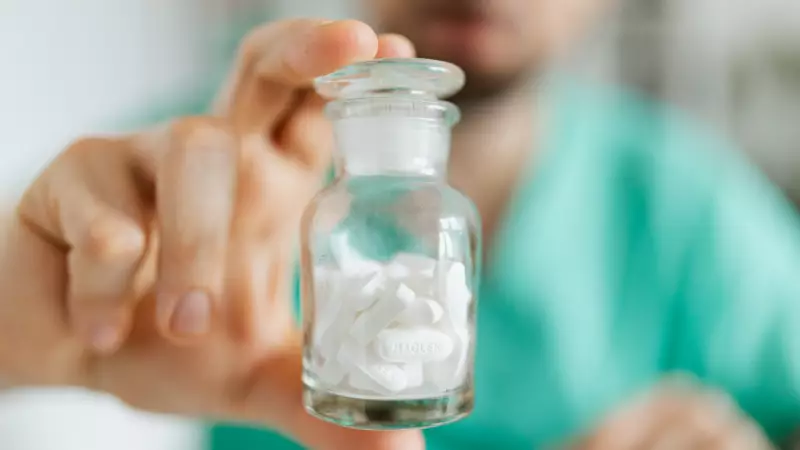
Solid, dry dosage forms tend to be the most stable. Pharmacist Jared Stockwell points out that these are less prone to breakdown compared to liquids or injectables. Common household medications that often retain their full strength for years past expiry (if kept sealed and stable) include:
- Pain relievers like ibuprofen and acetaminophen.
- Allergy medications such as antihistamines.
- Many other basic over-the-counter tablets and capsules.
Medicines You Must Discard On Time
Not all drugs get a free pass. Some are critically sensitive and should never be used past their expiration date due to risks of ineffectiveness or toxicity. These include:
- Insulin: Loses potency quickly, risking poor blood sugar control for diabetics.
- EpiPens (Epinephrine Auto-injectors): May fail to deliver a full, life-saving dose during a severe allergic reaction (anaphylaxis).
- Nitroglycerin: Used for heart conditions, this drug degrades rapidly.
- Liquid Antibiotics: Can become contaminated with bacteria or lose their strength.
- Tetracycline (expired): This specific antibiotic can become toxic and harm the kidneys.
Smart Guidelines for Indian Households
So, what should you do with that bottle of expired tablets? For non-critical, over-the-counter pills like painkillers that expired a few months or even a couple of years ago, a visual inspection is a good first step. If the tablets look normal—no strange discoloration, odd smells, or crumbling—and have been stored well, they are likely acceptable for minor, non-emergency use.
However, this does not apply to life-saving or prescription medications for serious conditions. When in doubt, always err on the side of caution. The safest course of action for any medication you are unsure about is to consult your doctor or a trusted pharmacist like Jared Stockwell. They can provide advice tailored to your specific health situation.
Blindly discarding every expired pill wastes money and usable medicine, but knowingly using a degraded critical drug can risk lives. The solution lies in being informed: organize your medicine cabinet, store all medications properly away from bathroom humidity, and have a conversation with a healthcare professional. Taking that extra step is a simple yet powerful way to protect your family's health and your wallet.